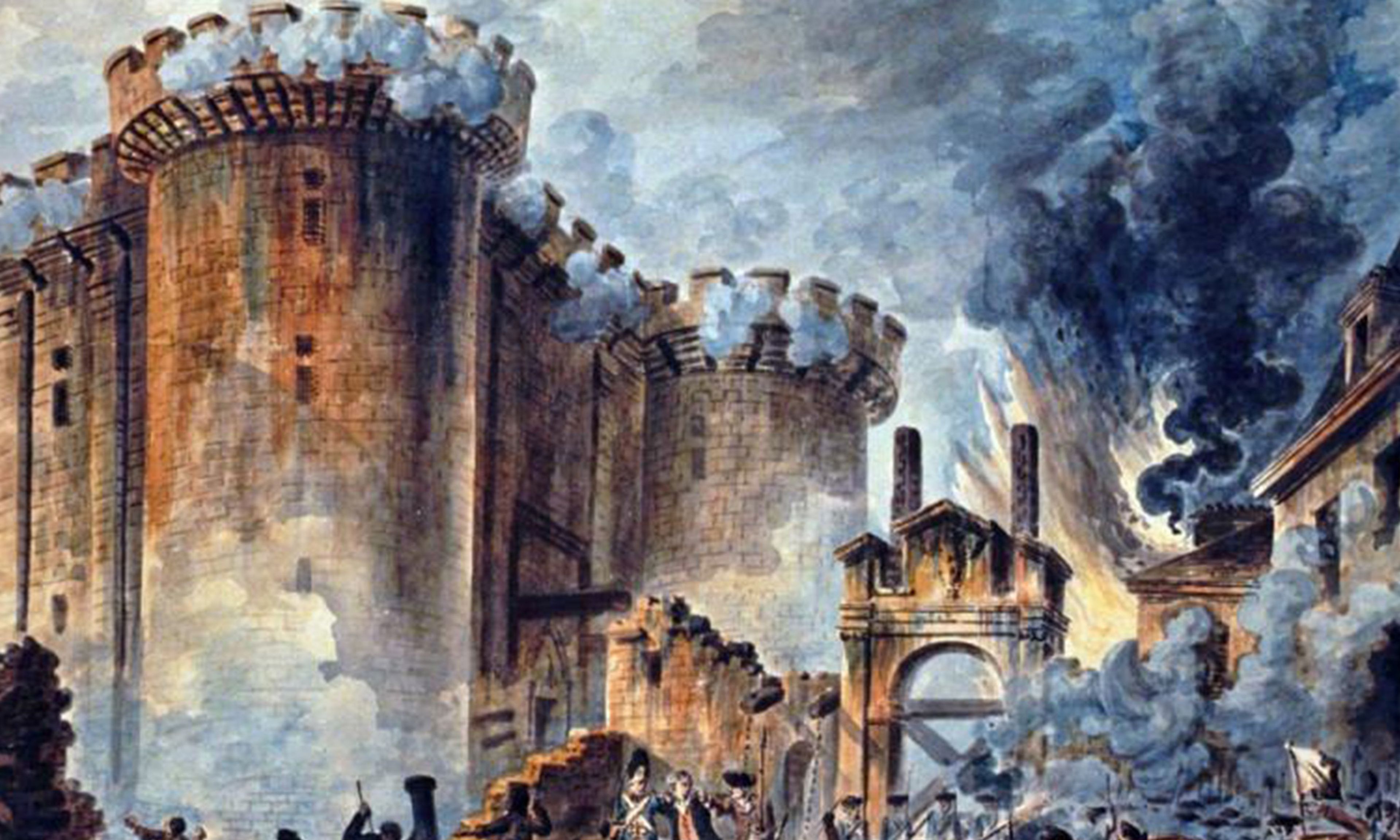
By the time of his death in July 1997, at the age of 70 and just three months after being elected to the French Academy, François Furet had become one of the world’s leading historians of revolution. Much of his writing focused on the French Revolution, which he viewed, at least in its frenzied Jacobin period, as proto-totalitarian, foreshadowing the political fanaticisms of the 20th century. Furet’s careful scholarship, displayed in Interpreting the French Revolution (1981) and other books, countered the then-dominant Marxist reading of 1789 as an economically determined clash between a rising urban bourgeoisie and a decaying, agriculture-based ancien régime, marking the latest stage in an inexorable historical process that would culminate in a radiant classless society. In Furet’s Tocquevillian optic, political life wasn’t simply an automatic manifestation of the dynamics of class conflict, as the Marxists believed: Ideas and emotions mattered, and helped to shape history.
Furet presents the French Revolution as based on utopian hopes of a humanity fully democratized and equal, liberated from the past, and master of its destiny — hopes that no political regime could ever completely fulfill. His revisionist take on the revolution largely won the day in his native country, influencing a generation of historians — and made this former Marxist and lifelong man of the Left his share of left-wing enemies.











Comments