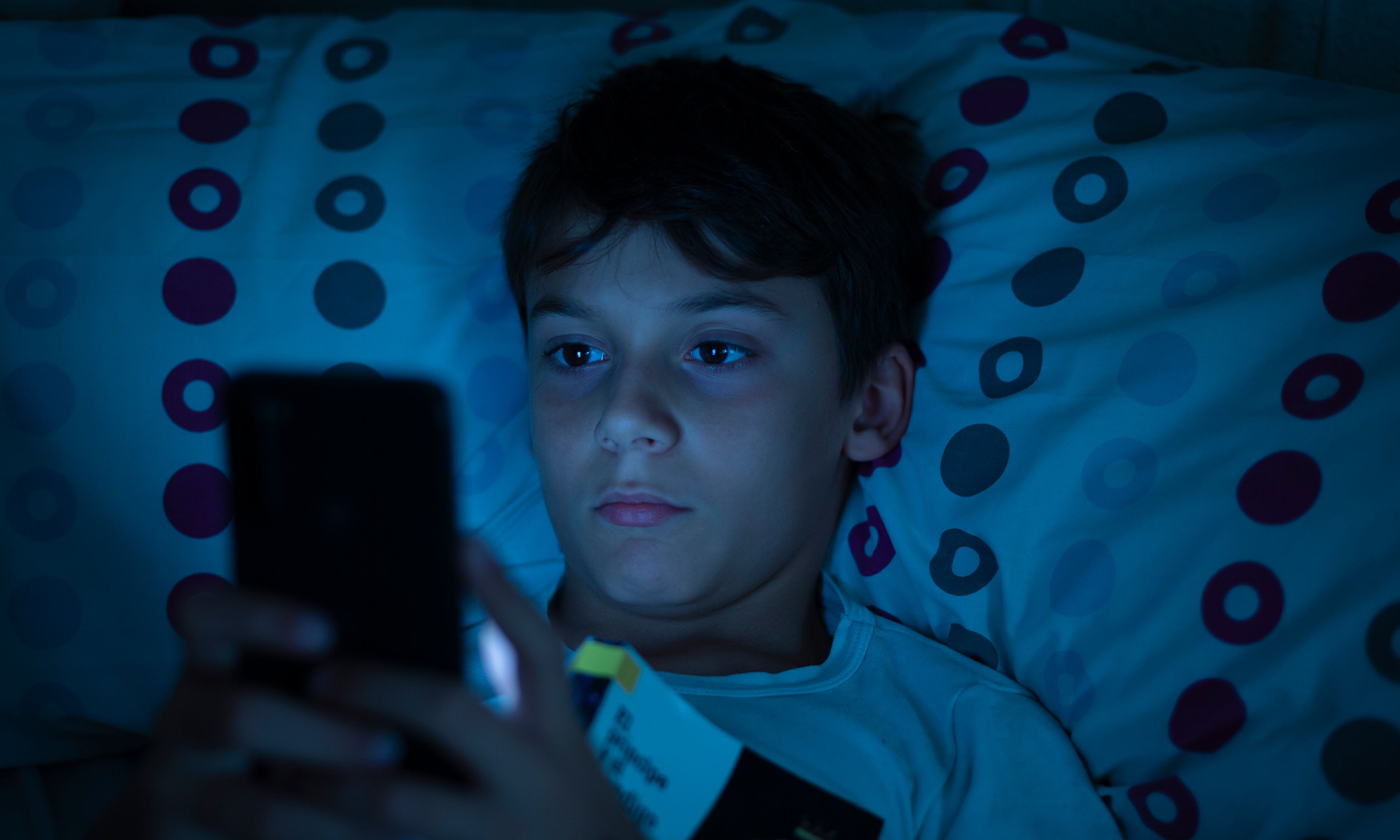
In the past few years, the United States has witnessed a significant shift in public opinion and policymaking about children’s use of social media platforms. Thanks in large part to the well-deserved popularity of Jonathan Haidt’s 2024 book, The Anxious Generation, which gathered reams of social science data about the harms of a screen-based childhood, the national conversation about children’s use of social media has entered a new and more productive phase.
Uncritical techno-enthusiasm is giving way to a robust skepticism, long overdue, about the technology companies that, through deliberate design choices and a failure to confirm the age of users, encourage ever-younger children to spend hours every day on these platforms. The advent of more-sophisticated artificial intelligence tools, notably chatbots that draw users into intimate conversations about their lives and often dispense questionable mental health advice, has added urgency to the debate over regulating technology use for children. New risks posed by these platforms have been highlighted by recent episodes, such as when users of Grok, the X platform’s AI chatbot, generated millions of nonconsensual, sexual, deepfake images of real people, including children.











Comments