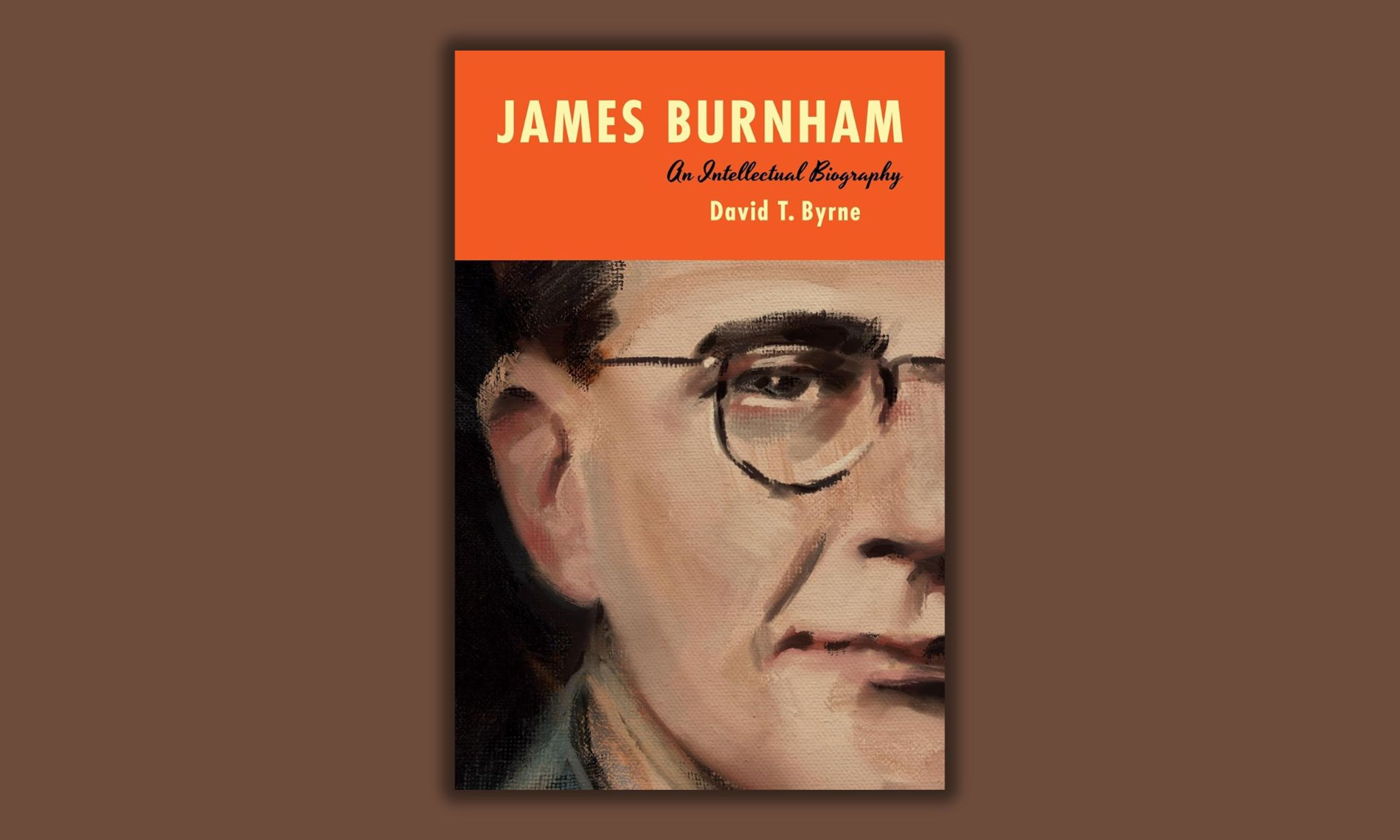
When William F. Buckley Jr. founded this magazine in November of 1955, he was joined by, among others, James Burnham, a man Buckley described as “the No. 1 intellectual influence on National Review.” A former philosophy professor at New York University and the son of a self-made railroad magnate in Chicago, Burnham, as was the case for many early conservative intellectuals, was also a recovering socialist (of the Trotskyite variety, in his case). The understanding of power, conflict, and violence that he derived from Trotsky would, in some capacity, mark his thinking for the rest of his days.
It wasn’t easy to determine how Burnham would fit with the doctrinaire Frank Meyer and other National Review eminences intensely focused on small government, federalism, extirpating the welfare state, and restoring economic liberty in full. Burnham never considered himself a conservative Republican; he supported Nelson Rockefeller, not Barry Goldwater, in the 1964 presidential election. He made peace with programs such as Medicare, accepting a modest welfare state as the price of an industrial capitalist democracy. In Burnham’s opinion, Ludwig von Mises’s economic approach was too rigid.











Comments