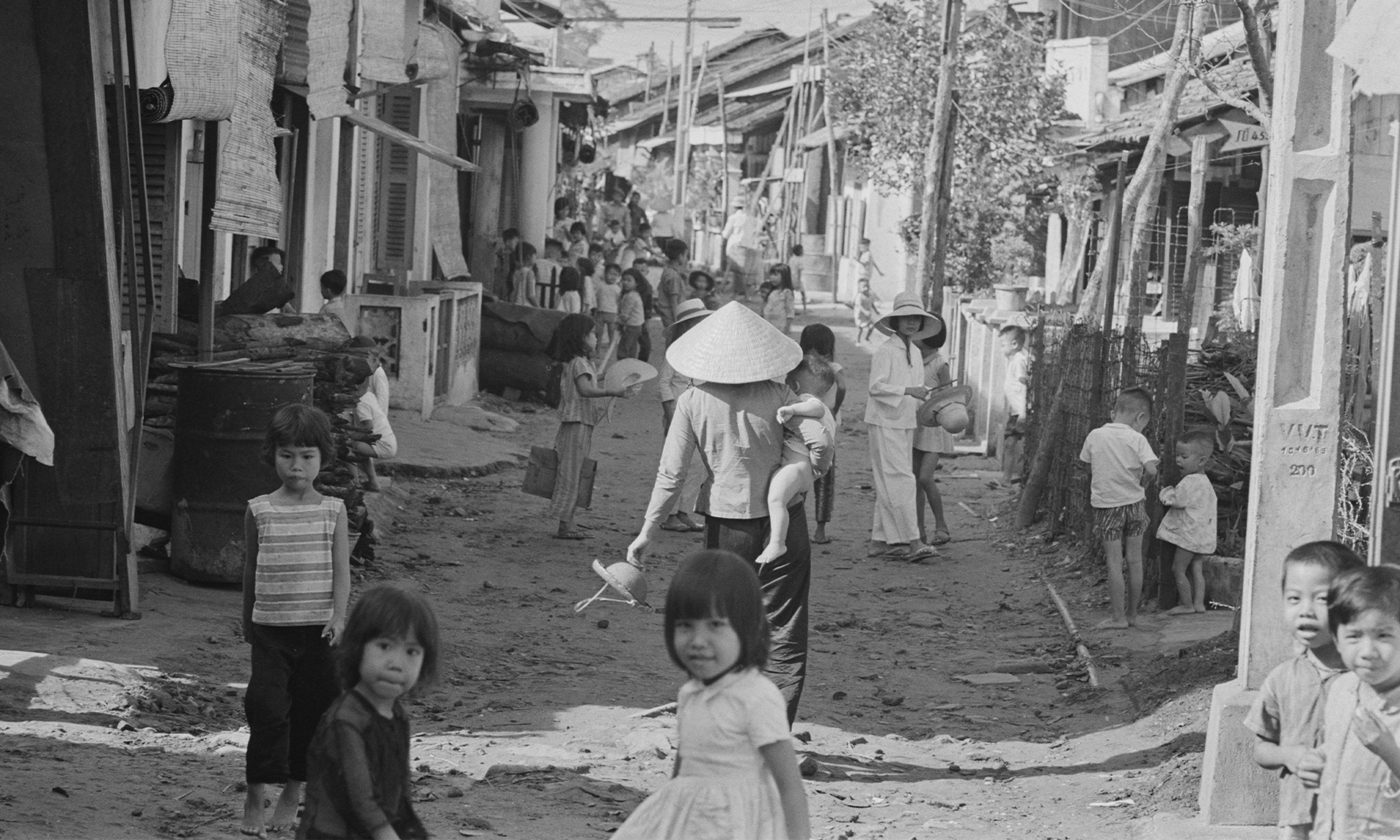
Saigon knew it would mourn on November 2, 1963. The Catholic third of the city’s population, ascendant under President Ngo Dinh Diem, expected to commemorate their dead on All Souls’ Day. Instead, soldiers sauntered through the streets as President Diem and his brother Ngo Dinh Nhu hid in St. Francis Xavier Church. Either could have fled hours earlier, at the coup’s height, but Diem staunchly protested that “presidents don’t run away.” Soldiers finally arrested him and his brother and escorted them into the back of an armored car. When its doors opened again, the bodies of the men who had led South Vietnam since its independence in 1955 rolled out covered in blood. Three weeks later, the American president who had overseen Diem’s overthrow would be assassinated.
That the United States supported a military coup to remove its most loyal anticommunist ally in Southeast Asia has long puzzled and infuriated chroniclers of the Vietnam War. In Kennedy’s Coup, journalist Jack Cheevers traces the trail of blood to Vietnam’s independence before describing the web of political and personal grudges that animated John F. Kennedy’s circle of advisers. From its first words to its haunting conclusion, set in the twilight of the turbulent 1960s, Cheevers’s book captures the heat of the action.










Comments