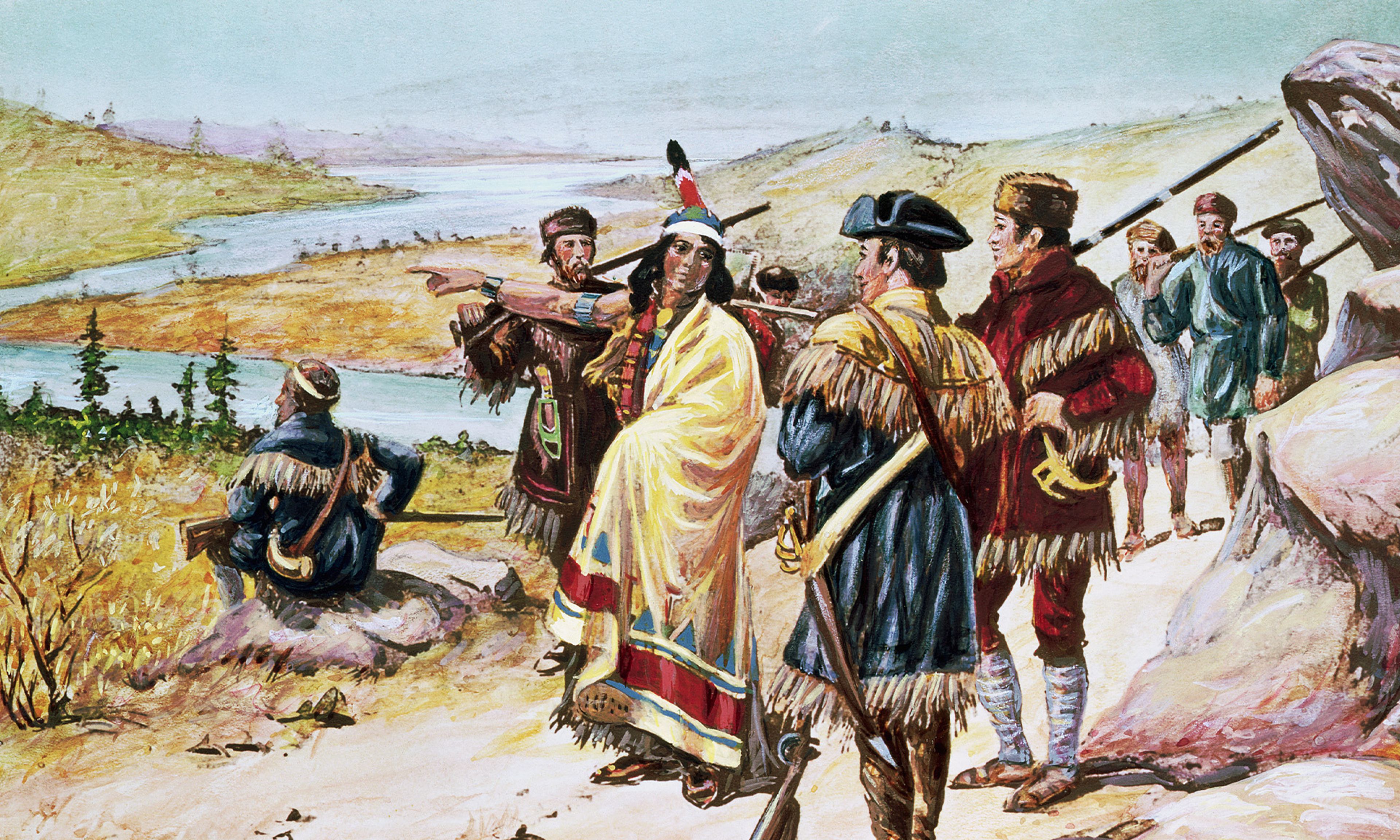
Whenever my wife mentions that she is nervous about forgetting to pack something before a trip in the U.S., I tell her, “This is America. We can buy anything we need when we get there.” This may be true in the 21st century. In his stirring new book, This Vast Enterprise, historian Craig Fehrman explains just how untrue this was for Meriwether Lewis and William Clark in 1803, when Thomas Jefferson directed them to find out whether there was a passage to the Pacific Ocean via the Missouri River.
Lewis had been Jefferson’s private secretary in the White House at the beginning of his administration. He even lived in the White House and undertook important meetings on Jefferson’s behalf. When Jefferson came up with the idea of exploring the West, Lewis seemed like the right person. Clark, an old military compatriot of Lewis’s, complemented him well. The two acted as co-captains of the enterprise, even though Clark, for complicated reasons, was unable to attain the military rank of captain, which rankled him.











Comments