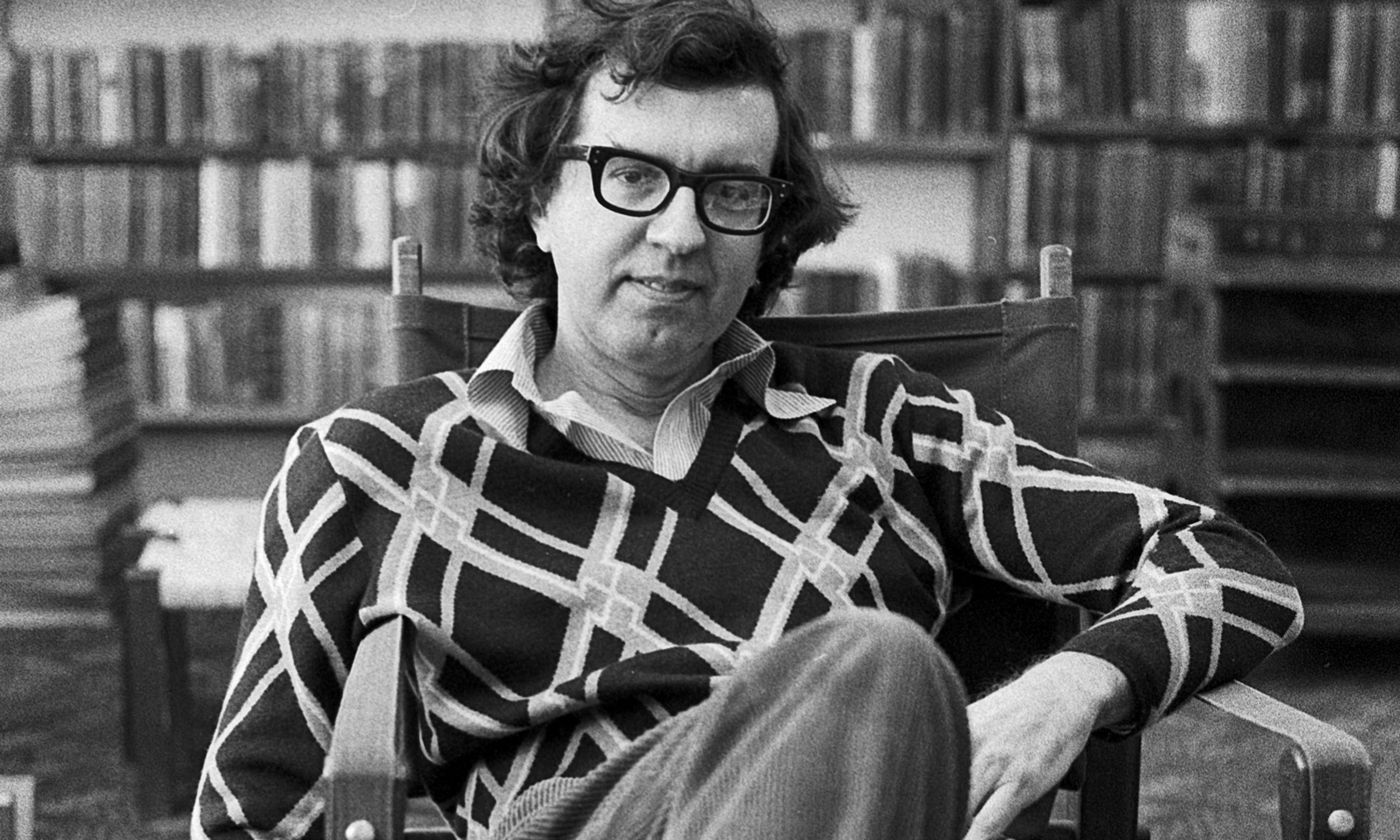
If you grew up in a place you’ve come to hate but find yourself helplessly drawn back to, you might be a writer. Such was the fate of author Larry McMurtry, who was born in Wichita Falls, Texas, reared in nearby Archer City, and had little good to say about either: “Lubbock, Amarillo, and Wichita Falls are the three principal cities of the Texas plain, and I have always found them uniformly graceless and unattractive.” He told his high school friend Ceil Slack that growing up in Archer City catechized him that “too bright, or too talented or too ambitious, or too well-dressed, or too anything was bad.”
McMurtry deployed his temperamental distaste for his Texas roots to write a shelf of classic novels about the place, including Horseman, Pass By (1961), Leaving Cheyenne (1963), and The Last Picture Show (1966). Later, in his masterpiece Lonesome Dove (1985) and its three sequels, he seized on the irresistible iconography of the place that had formed him. “Larry McMurtry did not invent the cowboy but he helped make him immortal,” writes David Streitfeld in his new biography of the Pulitzer Prize–winning author. “The cowboy outlasted the lumberjack, the whaler, and the mountain man as the representative icon of rural America, and he’s likely to hang on longer than such urban upstarts as the astronaut and the private eye.” McMurtry knew this, which is why, in his fiction, he so seldom strayed from home turf.










Comments