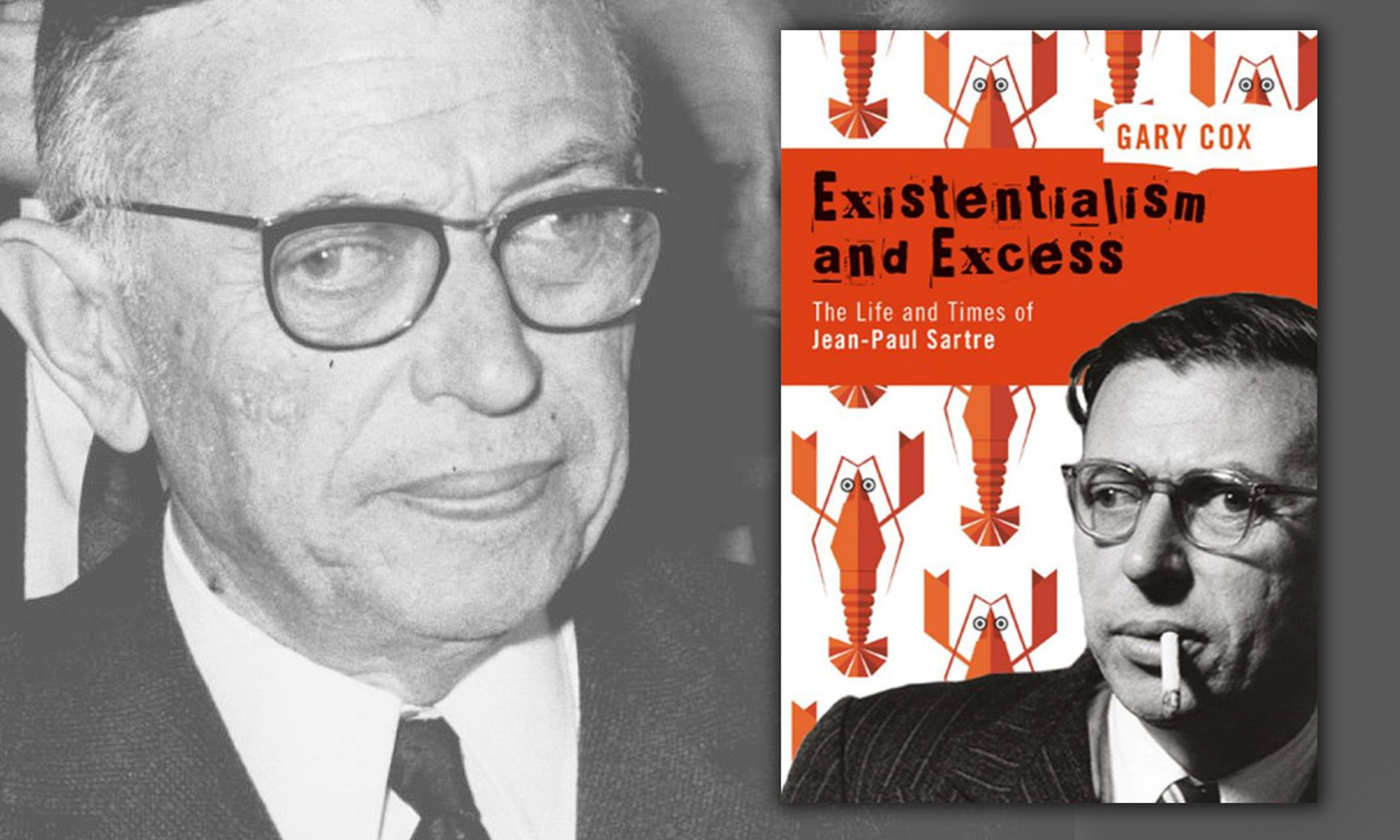
Philosopher, novelist and short-story writer, man of the theater, left-wing political activist — Jean-Paul Sartre was the very model of the 20th-century public intellectual. By the time of his death in 1980, “the pope of existentialism” had published millions upon millions of words, won (and turned down) a Nobel prize, and become such a famed figure that 50,000 mourners followed his casket to witness his burial in Paris’s Montparnasse cemetery.
Yet what is Sartre’s legacy? Does anyone — should anyone — read him today? In his brisk, accessible biography, Gary Cox tries to make the case that Sartre’s best work provides deep insight into the human condition. One could also make the case — Cox doesn’t — that his worst work exemplifies the fanaticism of the leftist mind at its most extreme.











Comments