
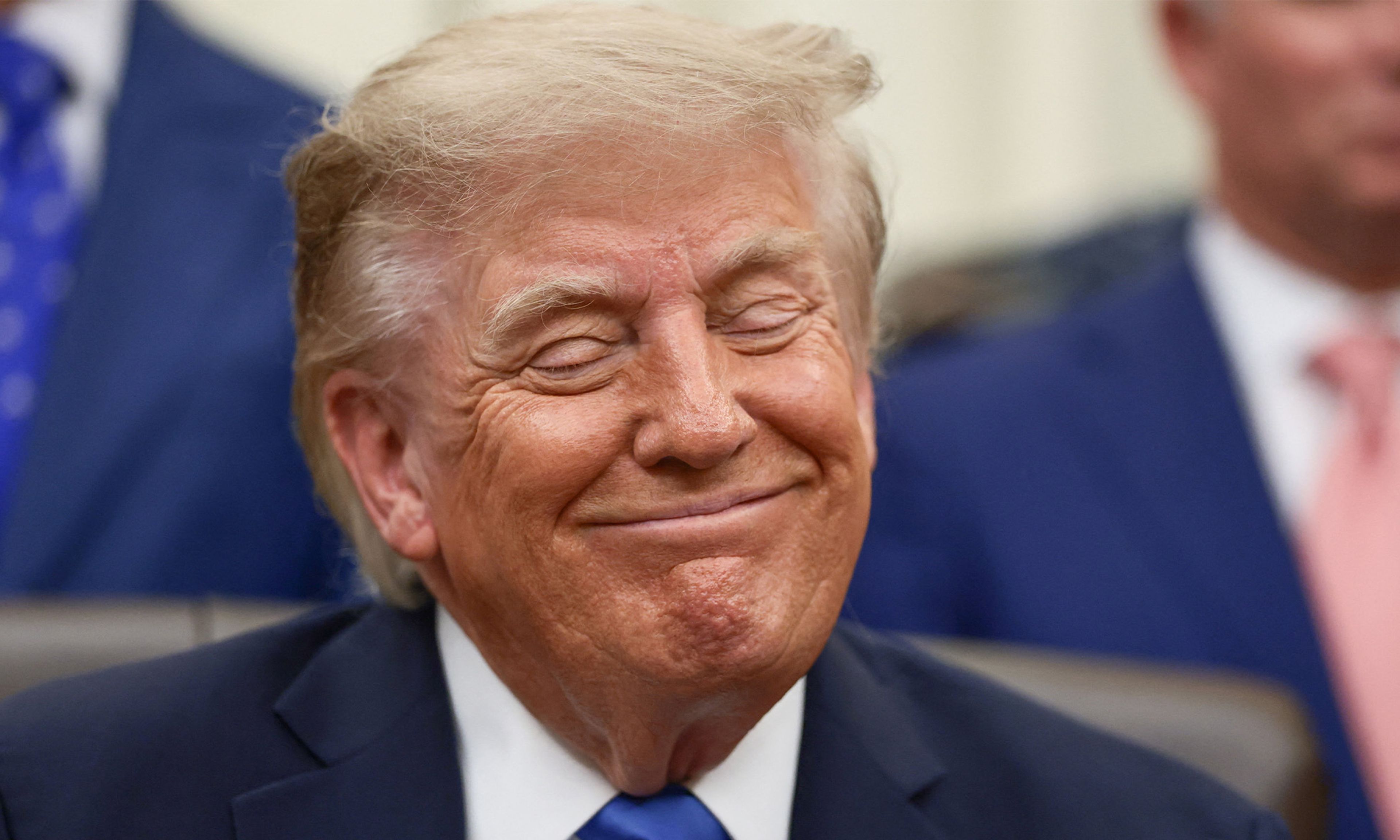
A perennial phenomenon every election season is the “October surprise,” or some lesser version of the same: an event after Labor Day that, rather than boost or damage just one statewide or local candidate, changes the trajectory of elections nationwide. We can think of such events from past midterm and presidential election cycles. Some of these events accentuate the preexisting trends, as did the financial crisis in 2008 and the congressional page scandal in 2006. Others cut in favor of the party in power, such as the Brett Kavanaugh hearings in 2018, the Starr Report in 1998, or the Cuban Missile Crisis in 1962.
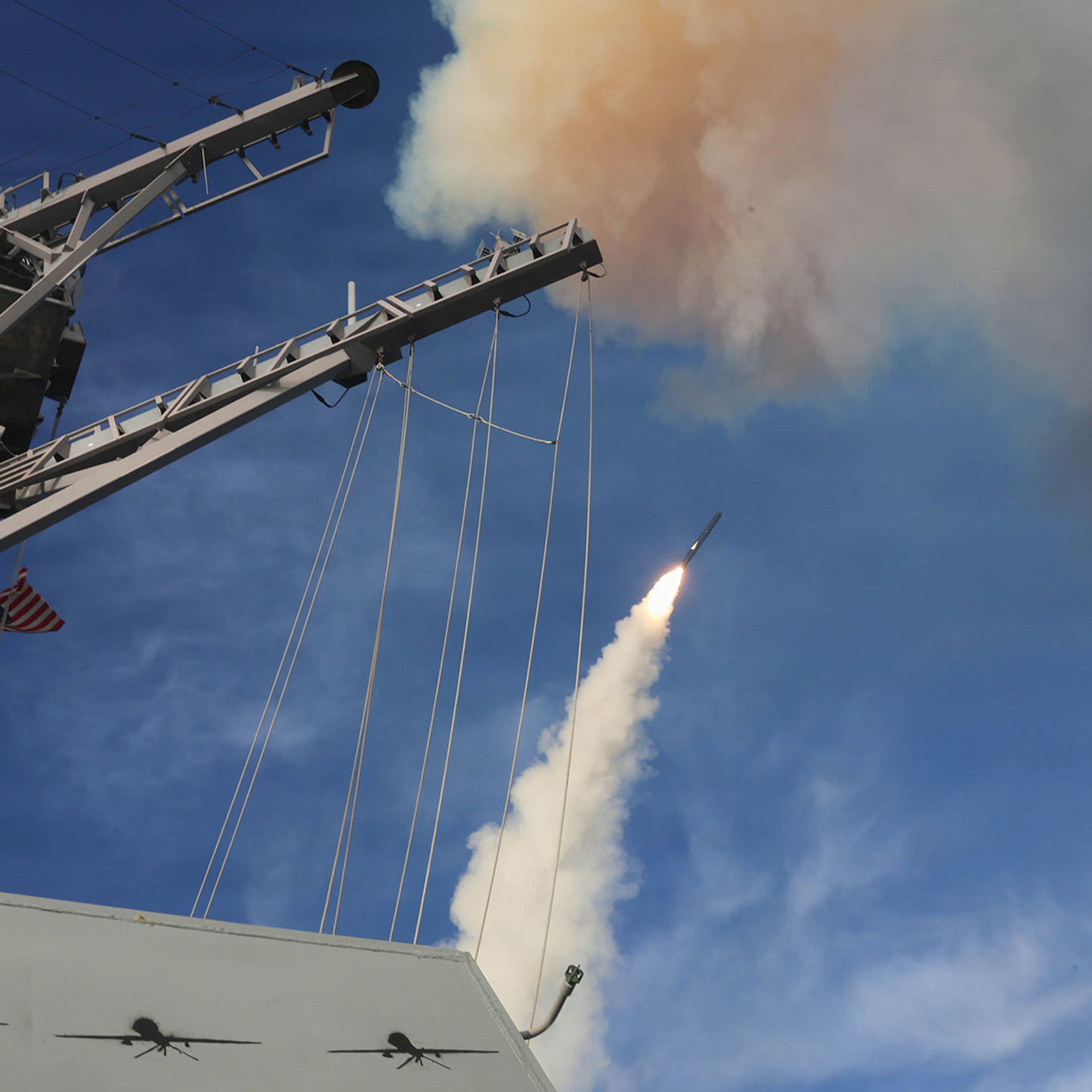
The sweeping powers of the presidency can give its occupant a number of options to change the conversation as elections approach, but that can be harder than it sounds. Perceptions and moods are mostly set by fall. This year, Donald Trump has one very large rabbit he could still pull out of his hat: a successful end to the war with Iran. But with early voting beginning as soon as the start of October in some jurisdictions, time is running short. And the practical realities of the Iran war are unlikely to cooperate.

Comments