
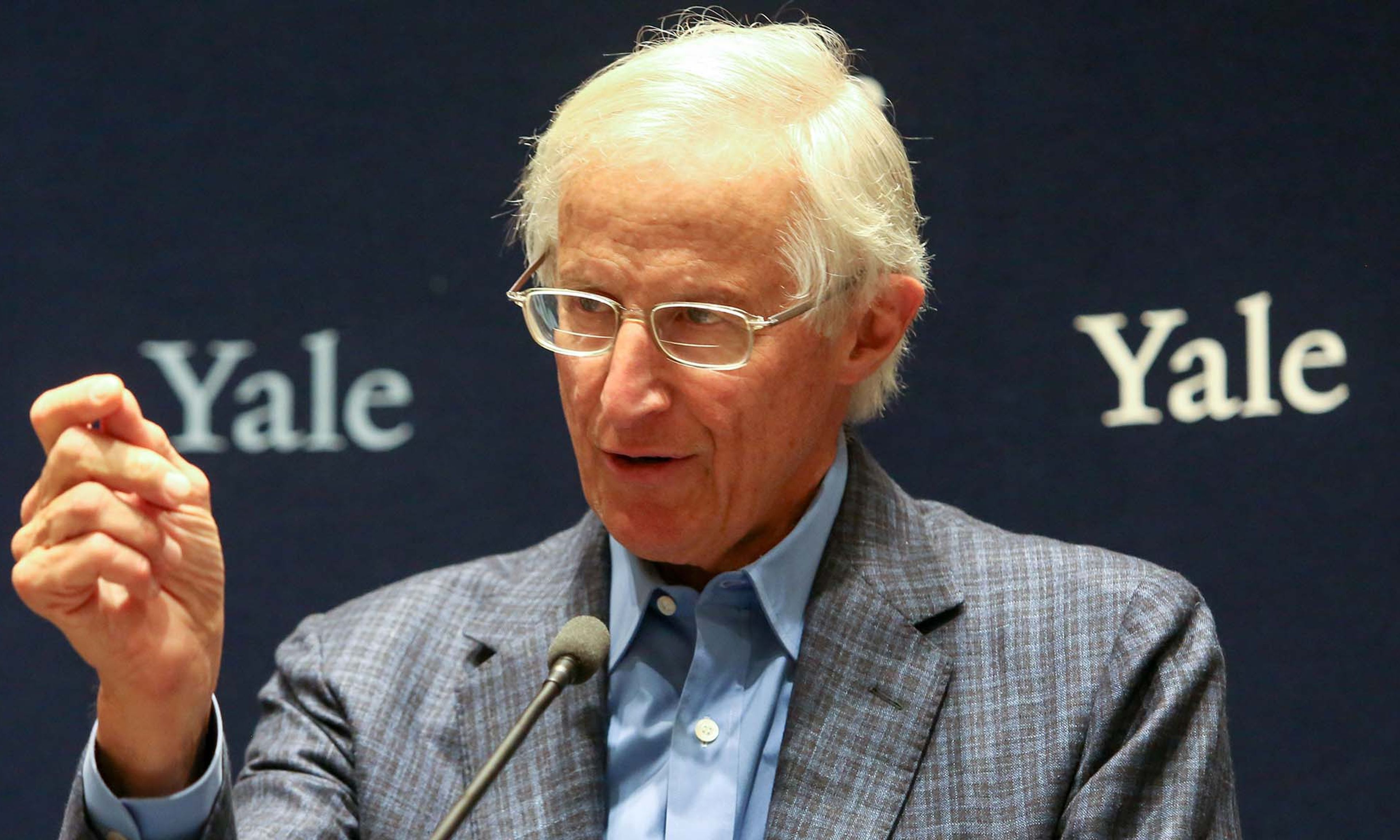
The economist died on October 30. In 2018, Nordhaus won the Nobel Prize in Economics for developing an economic model of climate change. For decades before then, he was an early advocate of addressing climate change through a He was championed by climate activists for taking this stand, but ironically, his prize-winning research led serious policymakers to reject their maximalist approach to slashing emissions.
By aggregating other economists’ studies, Nordhaus estimated that the most probable paths of emissions would likely damage the world economy by a few percentage points of GDP by 2100, rising with each degree of global warming. That would amount to many trillions of dollars each year, giving activists ammunition to push for hugely expensive policies today.





Comments