
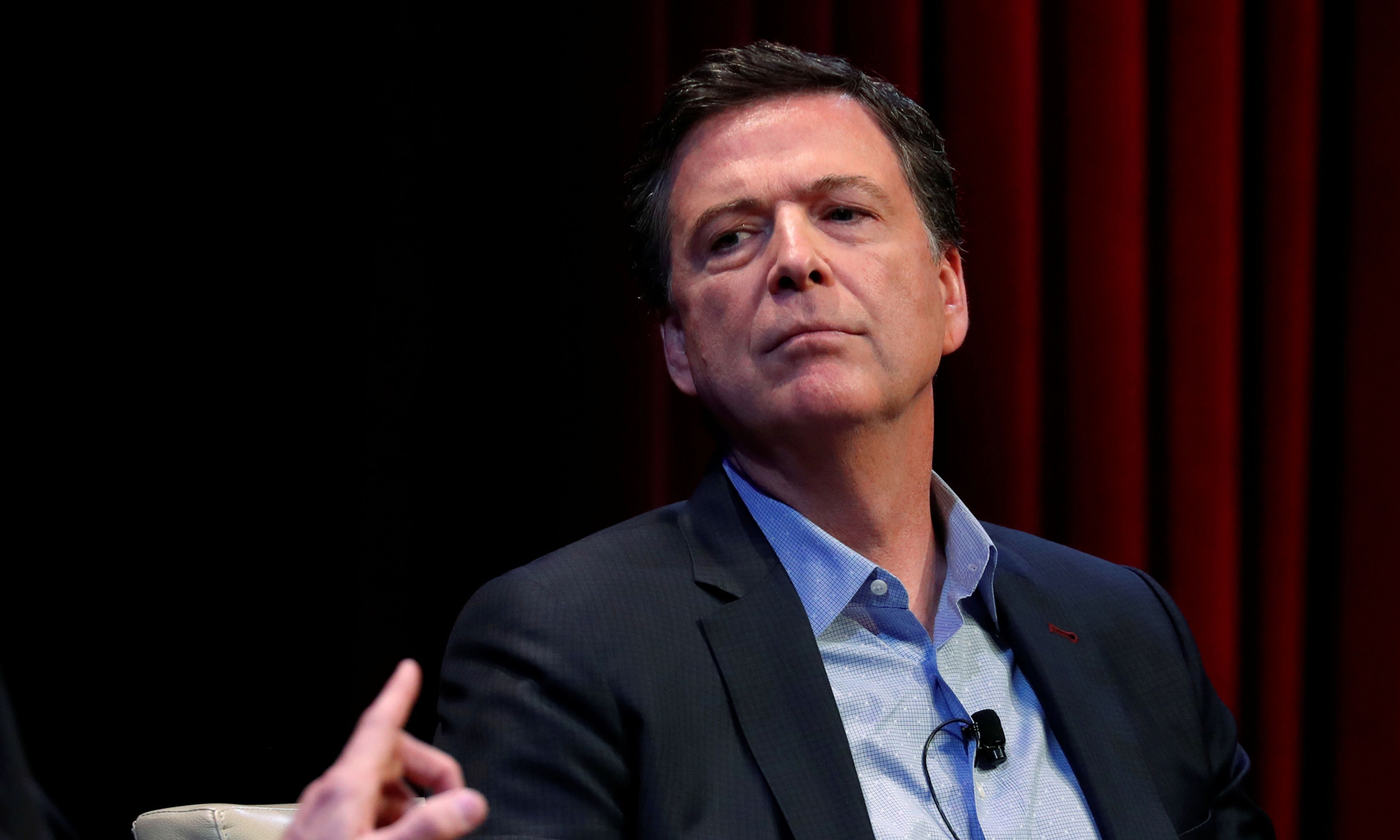
I explained last week the Trump Justice Department’s latest misadventure in Comey lawfare – the third attempt to charge him with felony crimes. To recap, the attempted prosecution for unauthorized dissemination of national defense information is absurd because (a) the government won’t be able to prove an unauthorized leak since (as FBI director at the relevant time) had authority to declassify information and approve its public dissemination; (b) the actions in question, which happened on or before October 5, 2016, are outside the now-expired 10-year for prosecutions; and (c) since we’re talking about felonies, the Constitution requires the case to be brought by a grand jury indictment (unless the defendant waives that right, which Comey hasn’t and won’t), so the criminal information by which the Justice Department sought to lodge the charges on the day the SOL expired last month (October 5, 2026) is a nullity.
In a normal Justice Department, in which the priorities would be law enforcement and maintaining the DOJ’s reputation for integrity with the court and the public, there would be no prosecution. There is far more crime than there are government resources to combat crime, so the DOJ’s cup of potential prosecutions is always overflowing. Hence, the DOJ traditionally does not bring cases that are obviously time-barred because it’s a waste of public resources: If the government brought such an indictment, everyone knows the defense would move to dismiss it; the judge would duly throw it out and wonder aloud whether the prosecutors are either incompetent or up to something diabolical.





Comments