
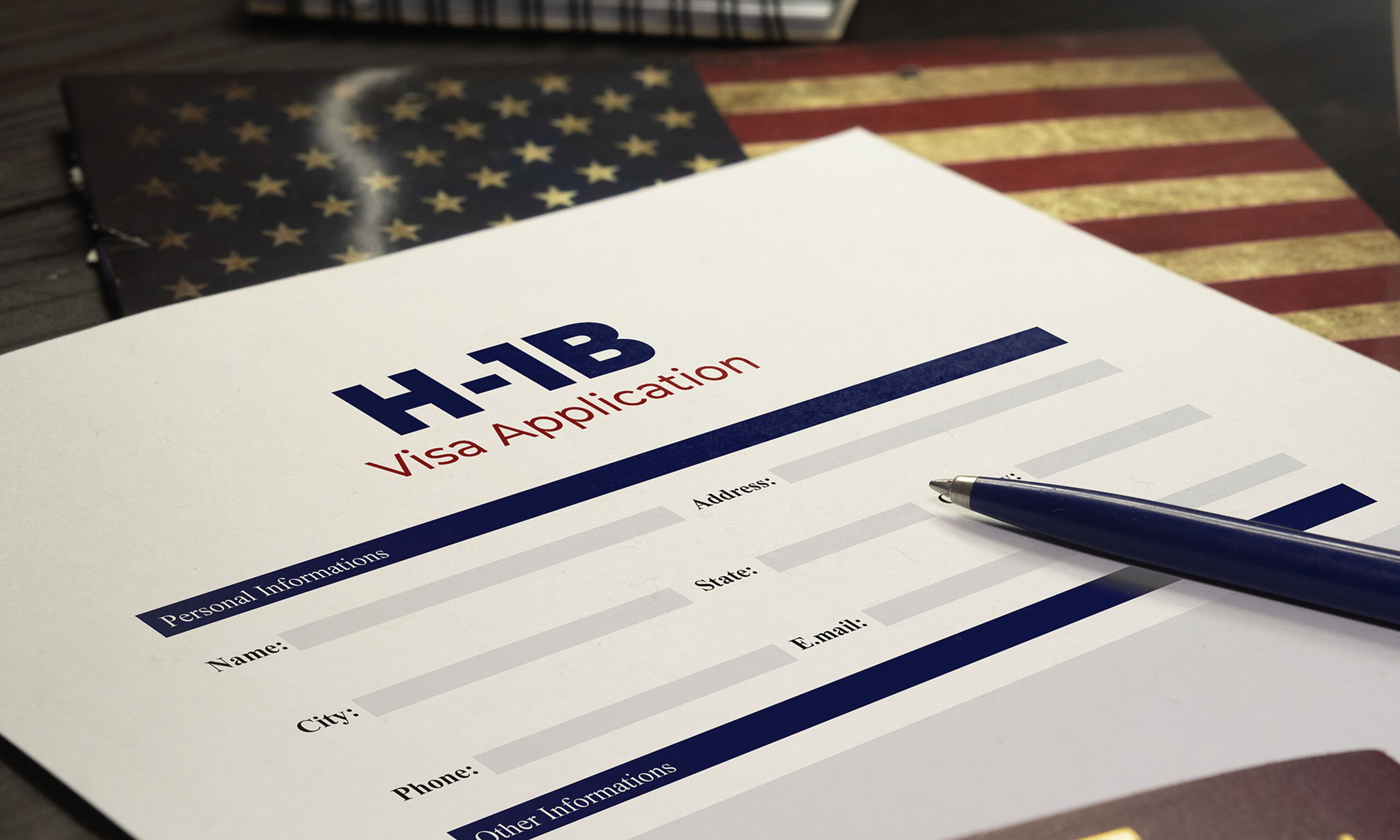
The H-1B visa program has been controversial for some time, especially among American-born tech workers who see it as a source of competition. In theory, the H-1B visa exists for a sensible economic purpose: to ensure a relatively fast track for U.S. companies to import workers with needed, often highly specialized skills to fill jobs that can’t be filled by Americans.
In practice, it is often subjected to four lines of criticism, three general and one specific. The first general criticism is that the program brings in more workers than are strictly needed by companies that aren’t looking hard enough for American workers and prefer lower-cost foreigners. The second is that its structure (by which recipients are sponsored by particular employees) reeks of indentured servitude (which was banned in most American states by the end of the 1820s and outlawed by the 13th Amendment) in tying workers’ immigration status to a particular employer. This, it is argued, means that H-1B visa holders are apt to take lower pay and accept abusive working conditions. Workers can change jobs, but this entails getting a new visa. The third critique is that the program’s solely economic focus ignores whether workers are actually a good cultural fit for America. This degenerates at times into blunt complaints that the H-1B visa program imports too many Indians and Pakistanis, who in turn have birthright citizen children here or otherwise end up bringing in more relatives through other forms of chain migration.





Comments