
In January the Senate changes hands, and with it goes the chance to confirm President Trump’s judicial nominees. Democrats have been open about their plans to obstruct judicial confirmations. Senator Chuck Schumer, likely the next majority leader, named blocking Trump’s judges as one of his reasons for wanting the majority back. Senator Sheldon Whitehouse, the incoming Judiciary Committee chairman, wants “a hard reset on the nominations process next Congress.” In practice, that likely means no more Trump nominees confirmed to the Supreme Court or the courts of appeals, and at most a few district court package deals in which Senate Democrats would get picks of their own, if even that. With half of President Trump’s term remaining, the Senate may abandon one of its basic constitutional duties.
Even in 2015 and 2016, when Republicans controlled the Senate in the final two years of Barack Obama’s presidency, they confirmed 22 of his lower-court judges, including two to the courts of appeals. Confirmations slowed when the White House and Senate were split, but they did not stop. What Democrats are now threatening could approach something never before seen: a total shutdown of confirmations with two years left in a president’s term.
That leaves Senate Republicans the rest of the year, and they should make the most of their remaining time in session. There are now 42 current and known future judicial vacancies, four of them on circuit courts. Taking into account Tuesday’s Judiciary Committee business meeting, a total of seven nominees are ready for floor votes, including Anna St. John for the Fifth Circuit and Daniel Domenico for the Tenth Circuit. Todd Butler was just nominated for the Fifth Circuit, and Cody Hiland, an associate justice on the Arkansas Supreme Court, for the Eighth Circuit. Their nominations and others need to move fast, because any seat left vacant in January will stay vacant under a Democratic Senate.
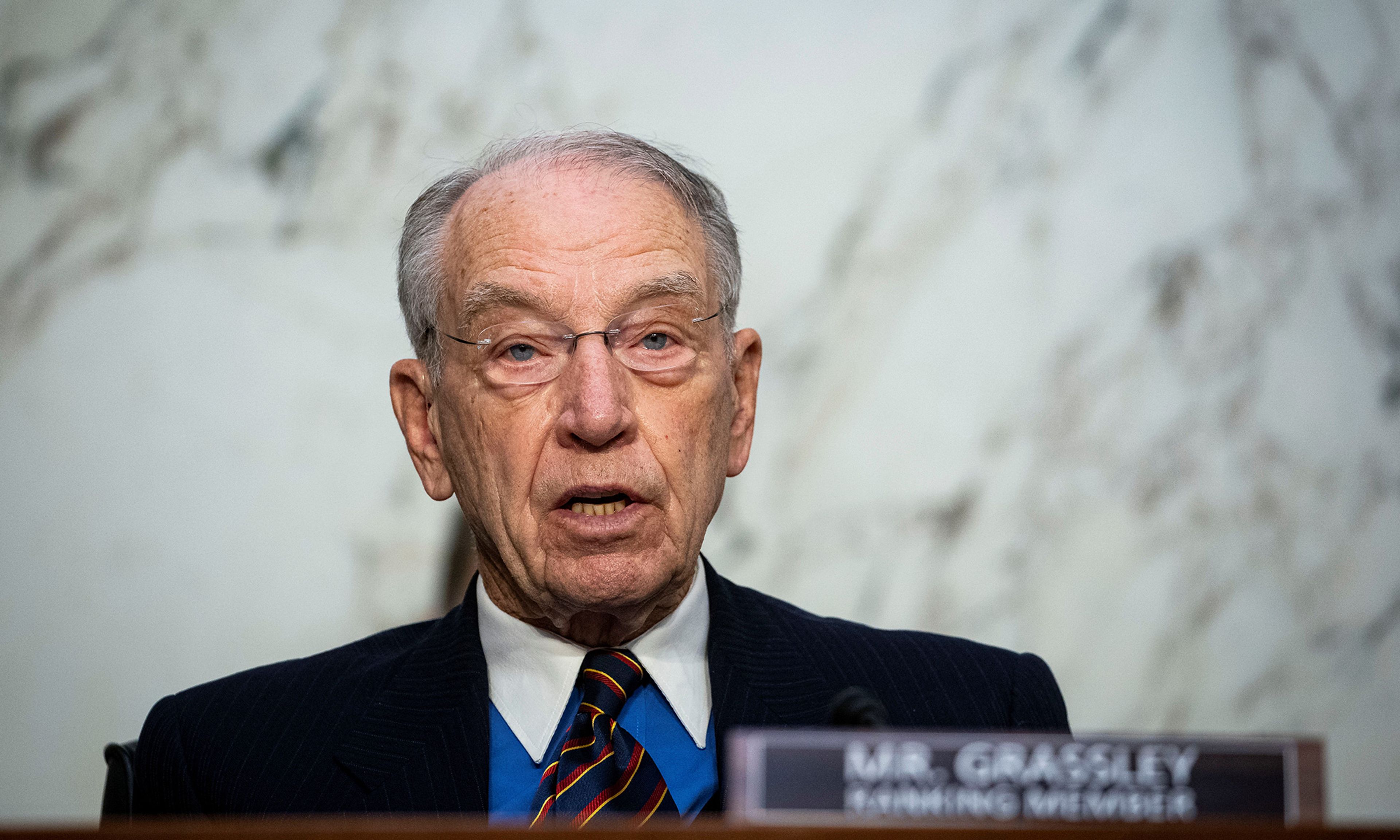
Judiciary Committee Chairman Chuck Grassley is meeting the moment. He set two nomination hearings eight days apart, the first of which occurred after Tuesday’s business meeting and included Todd Butler and three district court nominees. Democrats are predictably claiming a breach of norms. That is rich coming from a party that has promised to all but shut down judicial confirmations for the rest of Trump’s term. Besides, as Grassley has pointed out, the Judiciary Committee has scheduled nomination hearings within two weeks of each other more than three dozen times since the Obama administration, and Democratic chairmen scheduled nearly 70% of them.
Two years ago, then-Chairman Dick Durbin promised to “confirm every possible nominee to the federal bench during the lame duck session.” Democrats who cheered that push now say a busy hearing calendar is an outrage. “You can expect Democrats to bellyache over the committee’s lame-duck schedule,” Grassley observed, “but no one should fall for their theatrics.”
Senate Republicans know how to confirm judges. President Trump could finish this year with more than 300 Article III judicial appointments across his two terms. Majority Leader John Thune and Chairman Grassley should finish the job with the remaining judicial nominees by keeping the Senate in session, holding the hearings, scheduling the votes, and confirming them all.






Comments