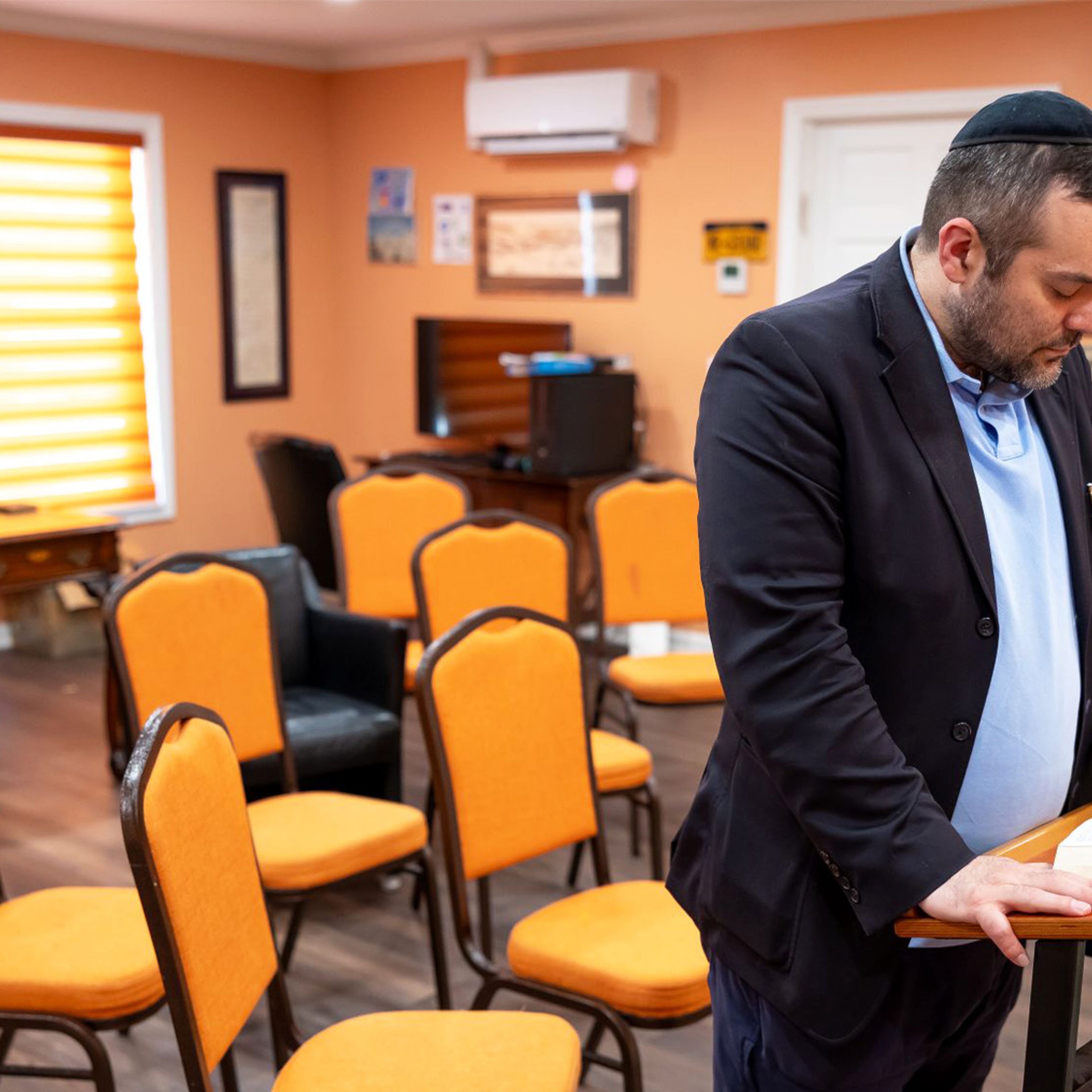
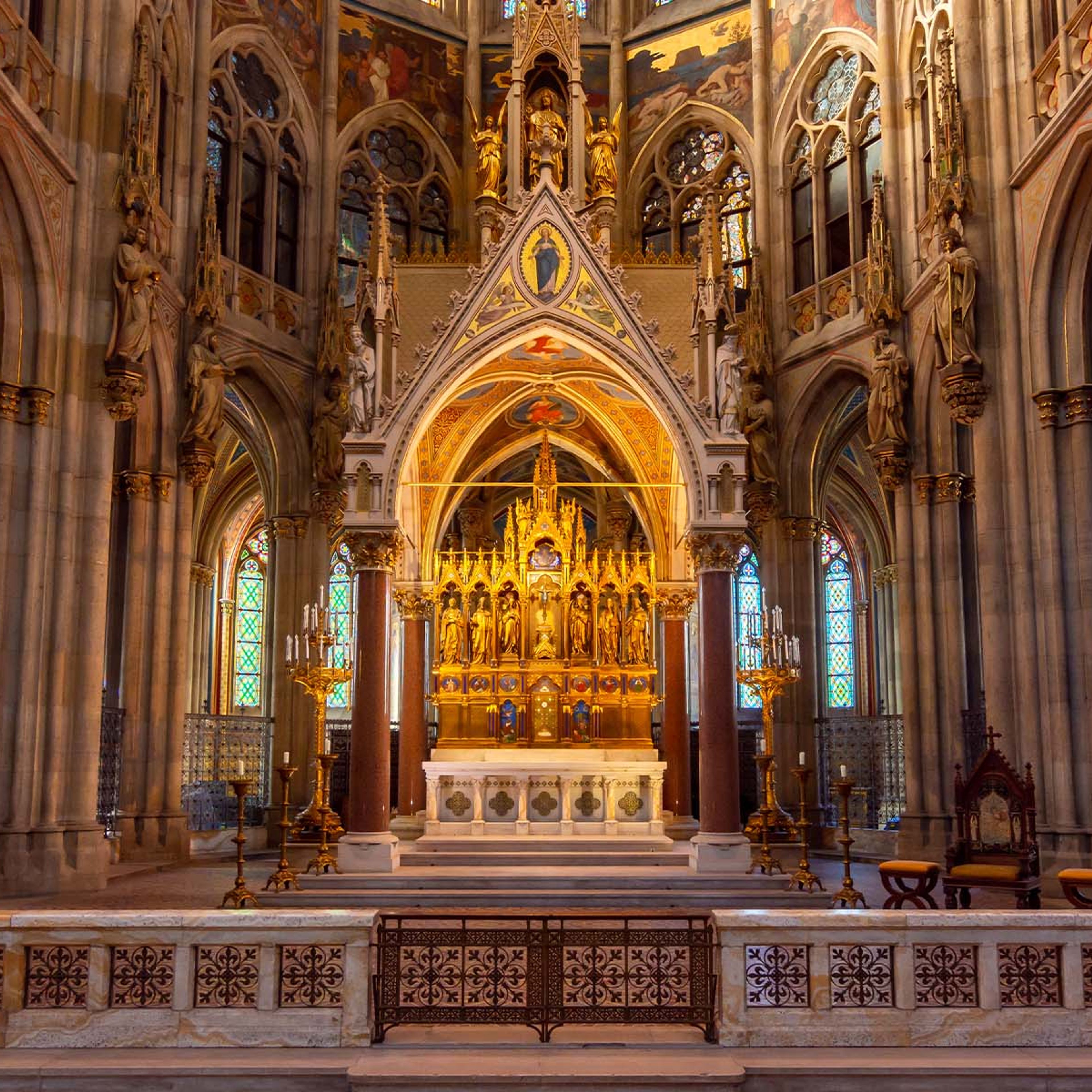
Church is a vulnerable place. When we worship, we may close our eyes, we may fold our hands or lift them, we may kneel. We are not vigilant, but rather contemplating the eternal things we cannot see. We may be with our children. That’s why the disruption of worship services by shouting protesters is an affront, and why worshippers should be protected.
The recent interruption of services at Cities Church in St. Paul, Minn., was not the first such incident, nor will it be the last. But states have a positive example to look to if they’re seeking solutions: They should consider adopting Ohio’s Sacred Spaces Act to deal with such outrages.



Comments