What Is and Isn’t Illiberalism

Defending classical liberalism begins with defining it and its enemies.

Share this story

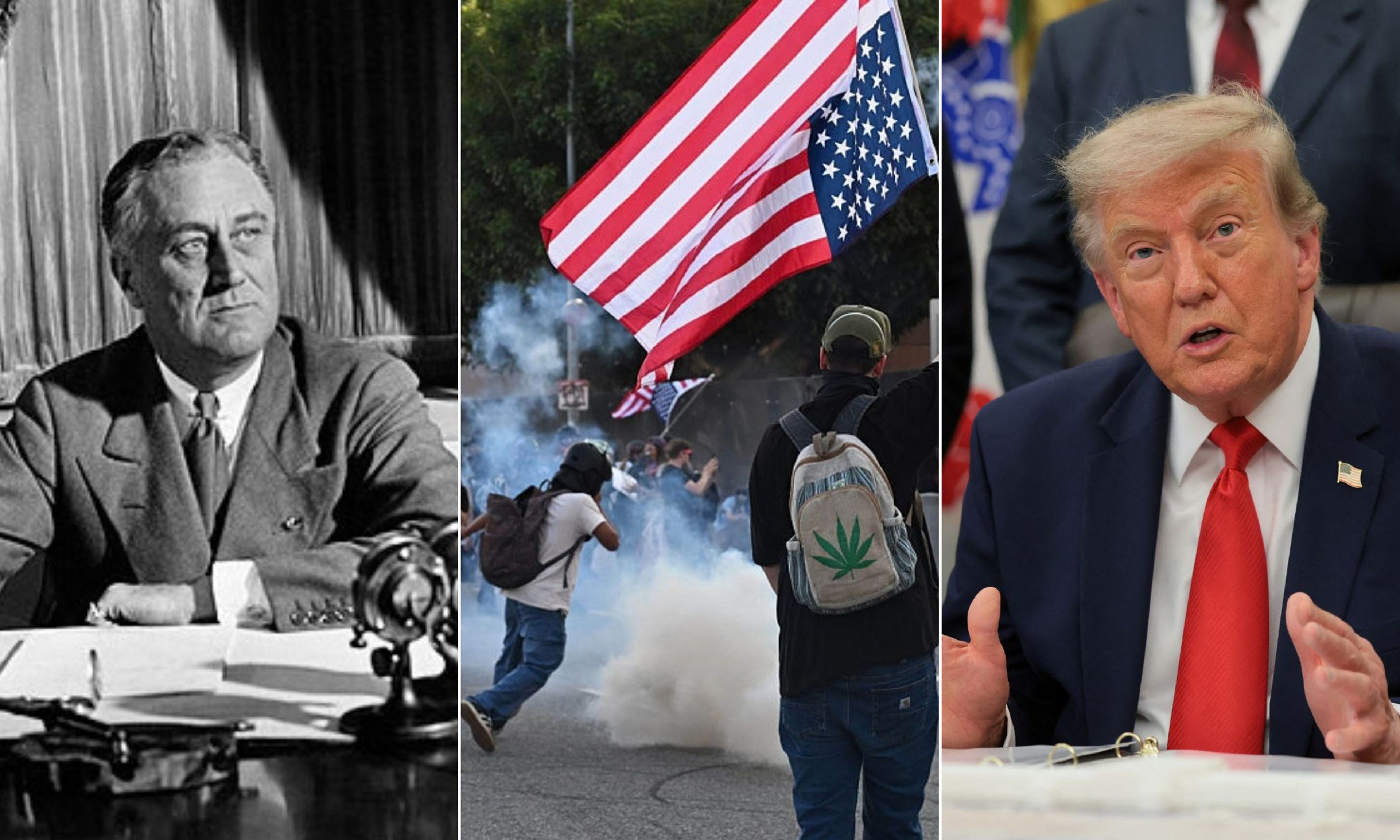
Left: President Franklin D. Roosevelt broadcasting his First Fireside Chat, from the White House, Washington, D.C., March 12, 1933. Center: Protesters throw projectiles after police fire tear gas into the street, Los Angeles, Calif., March 28, 2026. Right: President Donald Trump speaks as he sits in the Oval Office at the White House in Washington, D.C., July 29, 2026.

Public Domain, Keith Birmingham/MediaNews Group/Pasadena Star-News, Kylie Cooper/Wikimedia Commons, Getty Images, Reuters

There’s a lot of talk these days about illiberalism. It’s usually a pejorative, although for a while, some thinkers on the right were branding themselves as “post-liberal” and criticizing liberalism in its classical form. But like many words in politics, illiberalism occasions its share of confusion and misuse, both deliberate and out of misunderstanding.

The Birth of Liberalism

Dan McLaughlin

About the Author

Dan McLaughlin

Dan McLaughlin is a senior writer at National Review Online and a fellow at National Review Institute.

Comments

Advertisement

Advertisement



