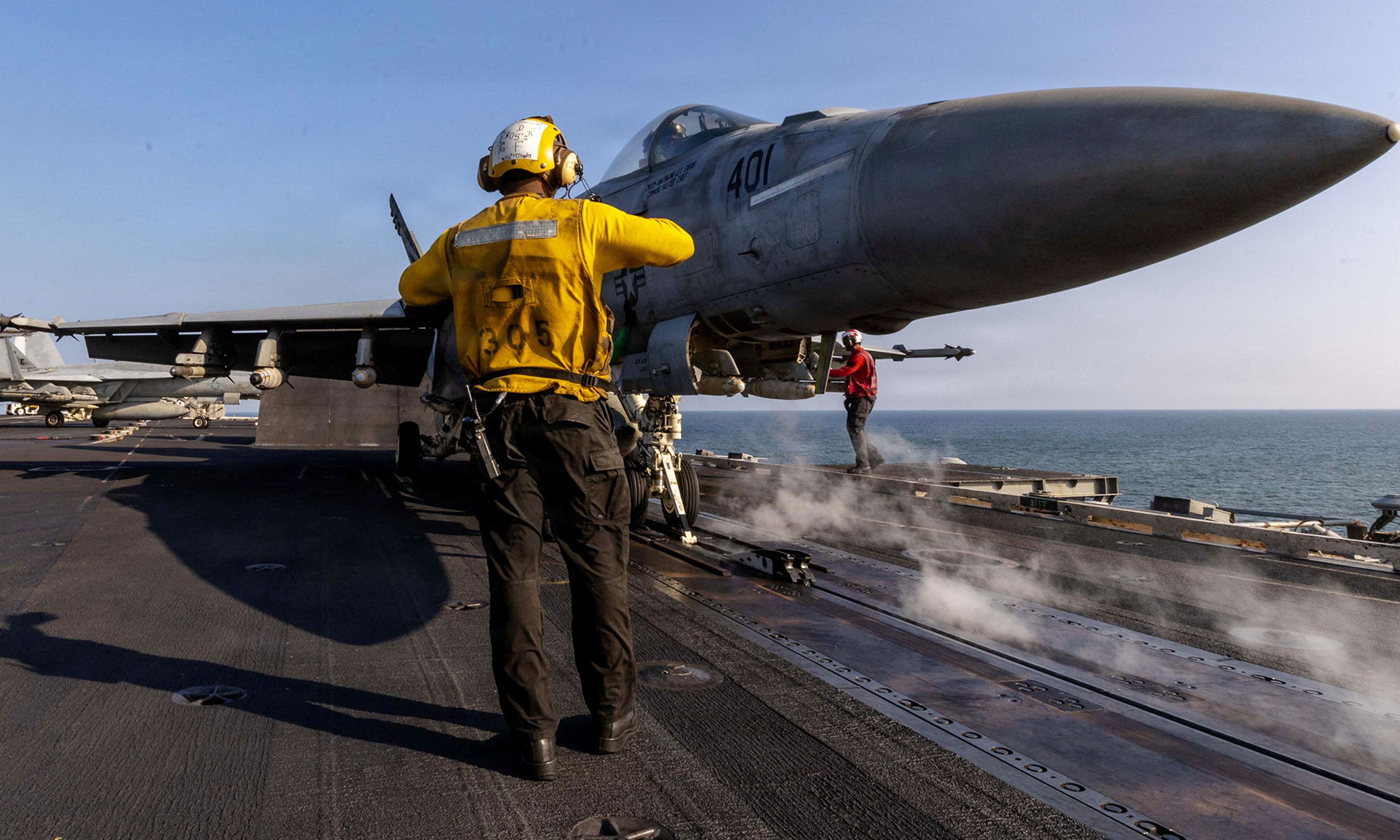
America’s ongoing confrontation with Iran has exposed more than the limits of Tehran’s regional strategy. It has exposed the limits of the strategic framework through which Washington still views the Middle East. Those limits are rooted in a sobering reality: For a quarter century now, U.S. policy in the tumultuous region has been shaped by the strategic assumptions of the post-9/11 era.
Following the September 11, 2001, terrorist attacks — when al-Qaeda, under Osama bin Laden, killed nearly 3,000 Americans — President George W. Bush launched what became known as the “War on Terror.” This American-led global effort marked a sharp departure from traditional military doctrine in its redirection of focus from nation-state adversaries to decentralized terrorist networks such as al-Qaeda and ISIS.





Comments