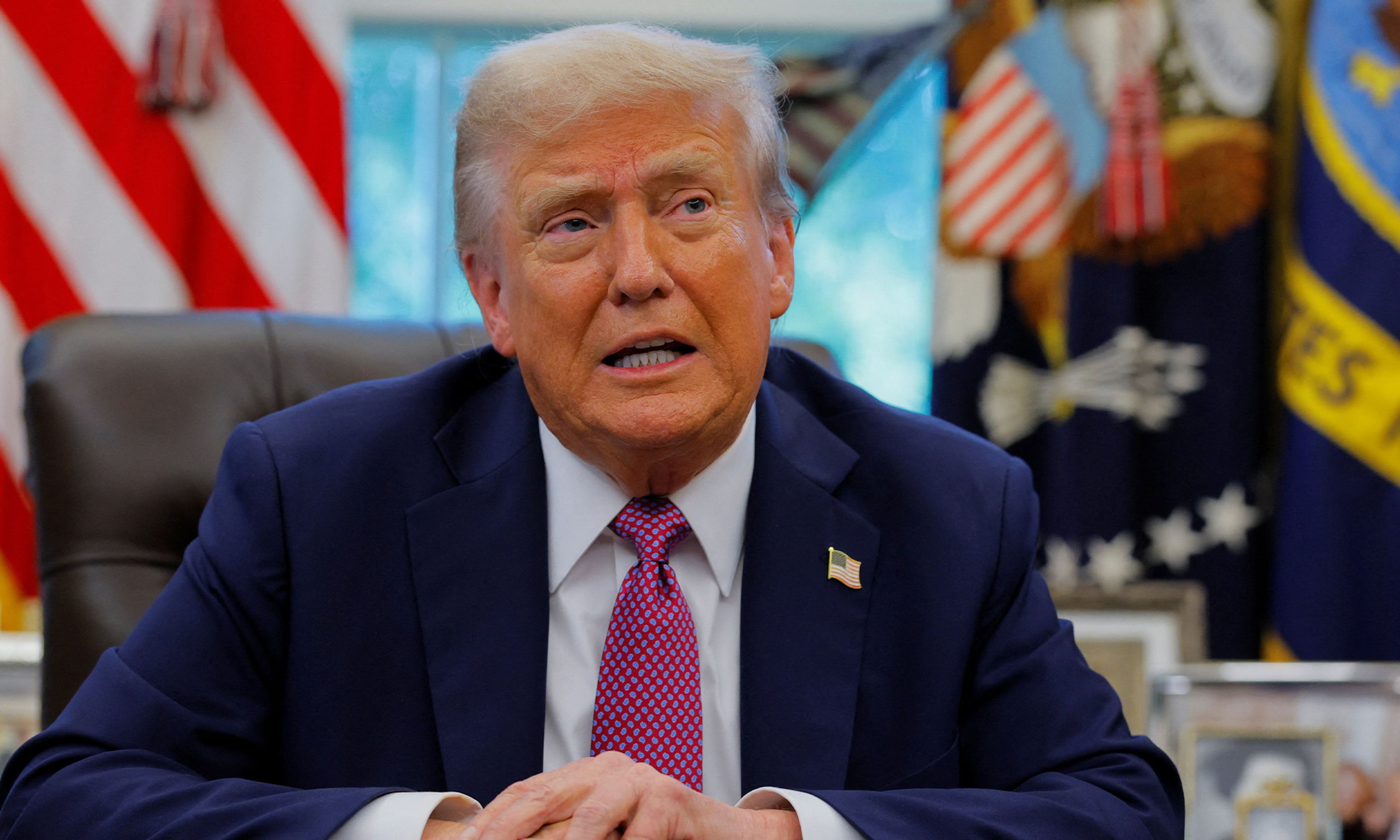
In his first term, President Donald Trump changed the national consensus on China. He was the first president in decades to call Beijing what it is: a relentless adversary bent on exploiting, coercing, and cheating its way to global dominance at America’s expense. He imposed targeted tariffs, sanctioned companies tied to the Chinese Communist Party, restricted Huawei, pressed allies to repatriate supply chains, and made standing up to China a litmus test for American resolve. His policies were so successful, in fact, that President Joe Biden retained many of them.
That was then. Today, President Trump is retreating from his own record and emboldening Beijing. Sure, the president has retained plenty of bark, rightfully observing the ways in which China, Russia, and North Korea are conspiring against the United States, but he’s lost his bite. China policy, once a defining strength of his first term, is fast becoming a glaring weakness of his second.


Comments