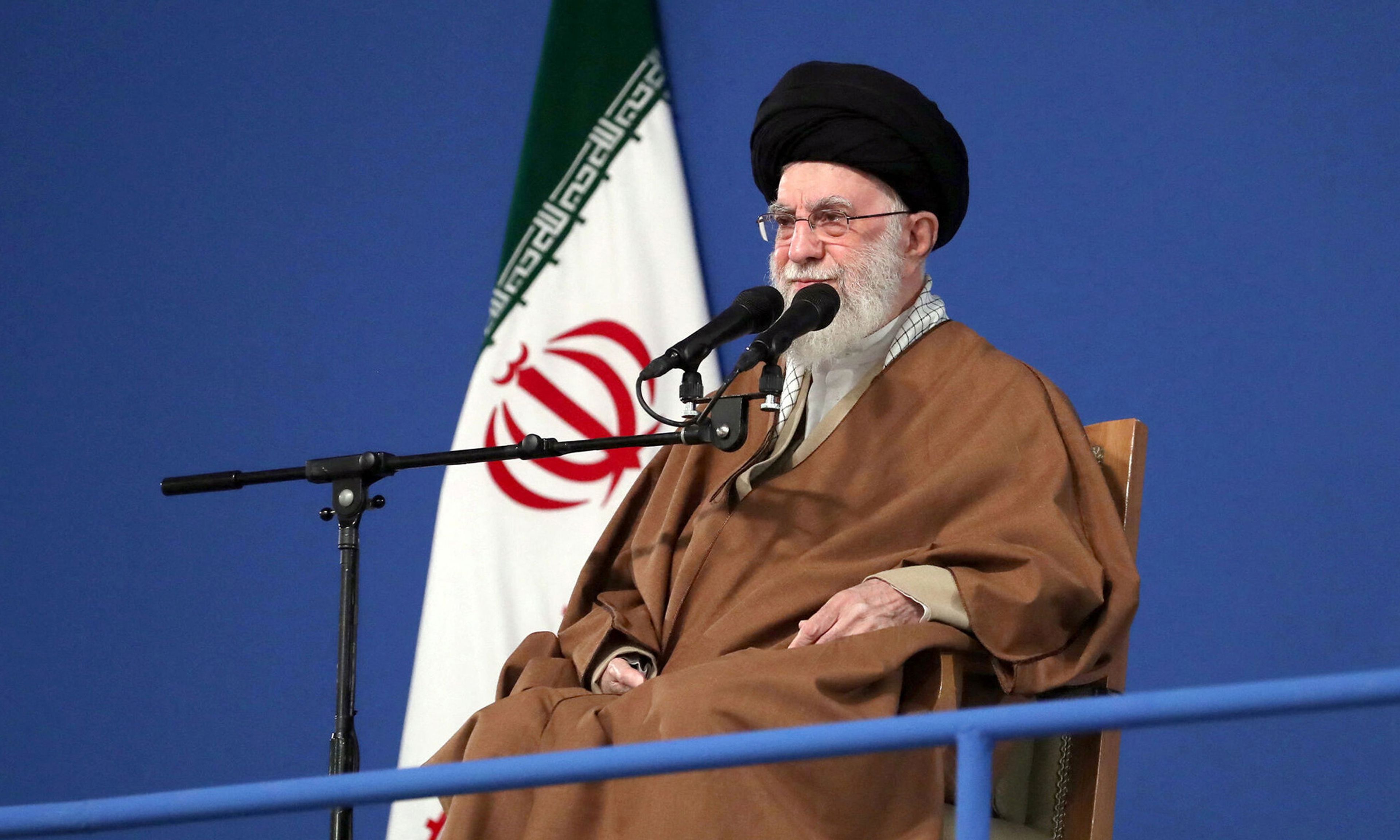
This February Iran’s revolution turned 46. Middle age usually brings a measure of wisdom, as men cast aside aspirations of youth and come to terms with hard truths. But Iran’s Islamists are forever young. Too attached to their ideological verities to accept history’s verdict, they press on with their mission to redeem. The Islamic Republic is at an impasse. Its leaders cannot change; the public already has.
The mullahs promised much in 1979. A new polity that would somehow reconcile democratic norms with religious convictions. An economy that would lift up the working class in whose name the revolution was waged. The revolution was supposed to be borderless: Through spontaneous combustion and Iranian clandestine activity, Muslims everywhere were supposed to accept the Islamic Republic as the vanguard of God’s message.






Comments