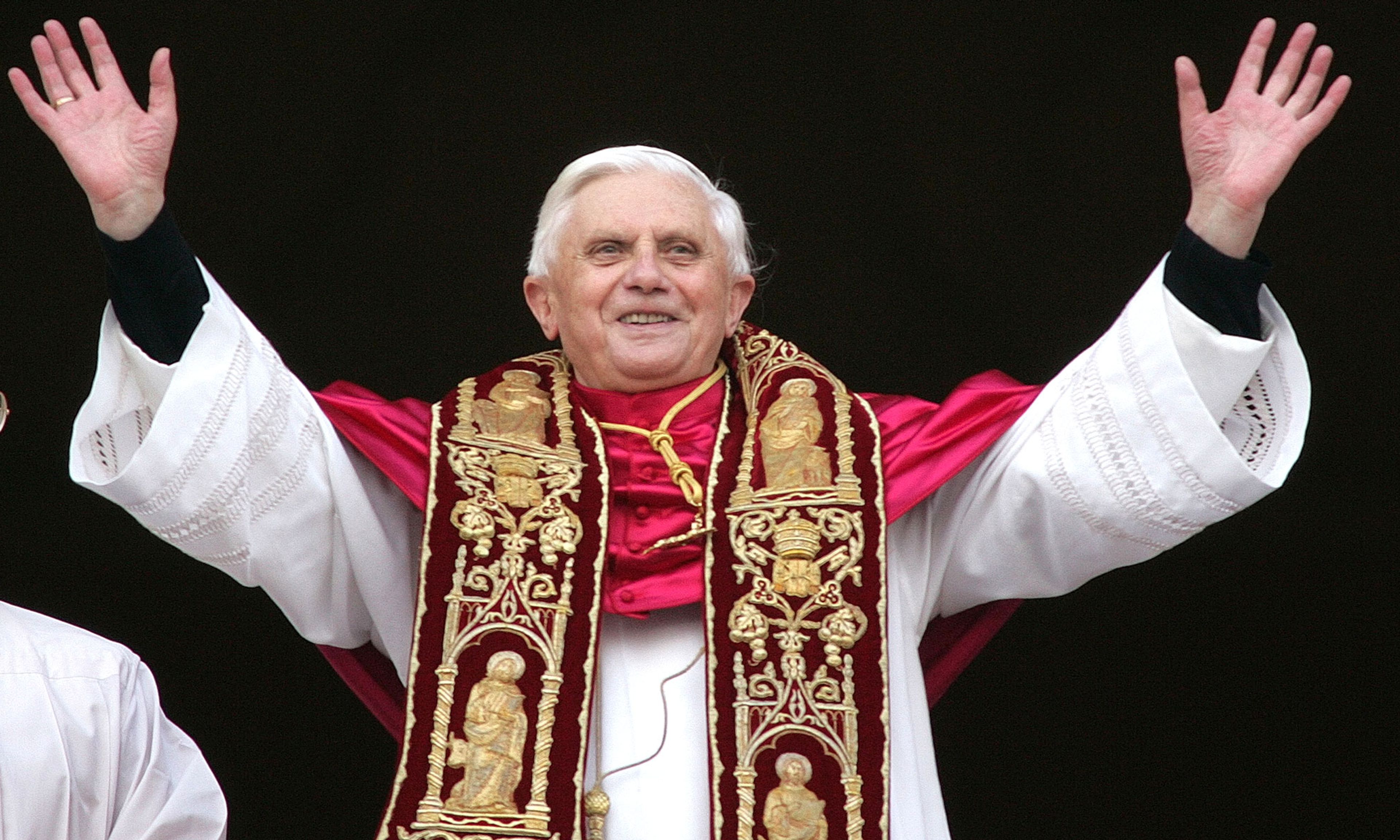
Teach, sanctify, govern: The three verbs define the work of a bishop, according to tradition and the Catechism of the Catholic Church. As the bishop of Rome and therefore as the vicar of Christ, the head of the mystical body that is the church, Pope Benedict XVI shone and accomplished incalculable good in those first two categories. The church is smarter and holier for his efforts.
Like recent predecessors and now his successor, he struggled in the third category, governance, beset by the fights that Catholics continue to pick with one another over interpretations of the Second Vatican Council. Added to his burden were ongoing revelations of sexual abuse by Catholic clergy and of its cover-up and mishandling by bishops, including him when he led the Archdiocese of Munich and Freising in 1977–82, investigators commissioned by the local chancery reported last year. His record on the issue later in his career was not spotless, but it improved. He led groundbreaking efforts at the Vatican to protect minors and hold abusers accountable throughout the church.



Comments