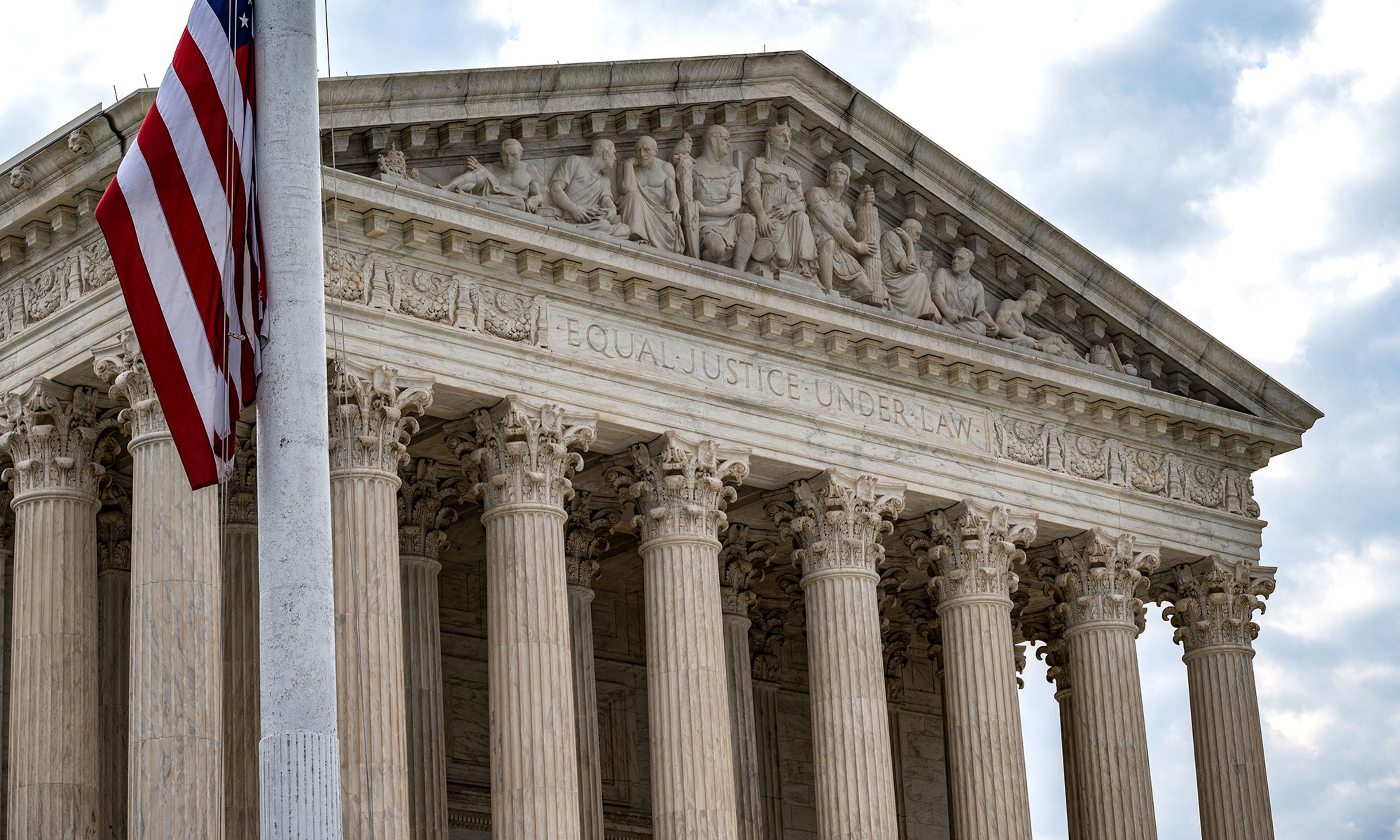
Much more than constitutional law will be on the line next week when the Supreme Court hears arguments in Brackeen v. Haaland, a case involving the constitutionality of the Indian Child Welfare Act (ICWA). That’s because the ICWA — a federal law that creates a unique set of rules for child-welfare or adoption cases involving Native-American kids — actually makes it harder for states to protect these children from harm and virtually impossible to find them adoptive homes when needed.
Although it was passed with good intentions — to halt practices whereby states actively tried to take children away from Native parents as part of a program of coercive “assimilation” — the ICWA today unfortunately harms the very children it was supposed to help. Native children are at greater risk of everything from physical beating to gang membership to suicide than any other demographic in the United States. Yet the ICWA strips them of the legal protections that kids of all other races enjoy, and elevates racial and political considerations over their best interests.





Comments