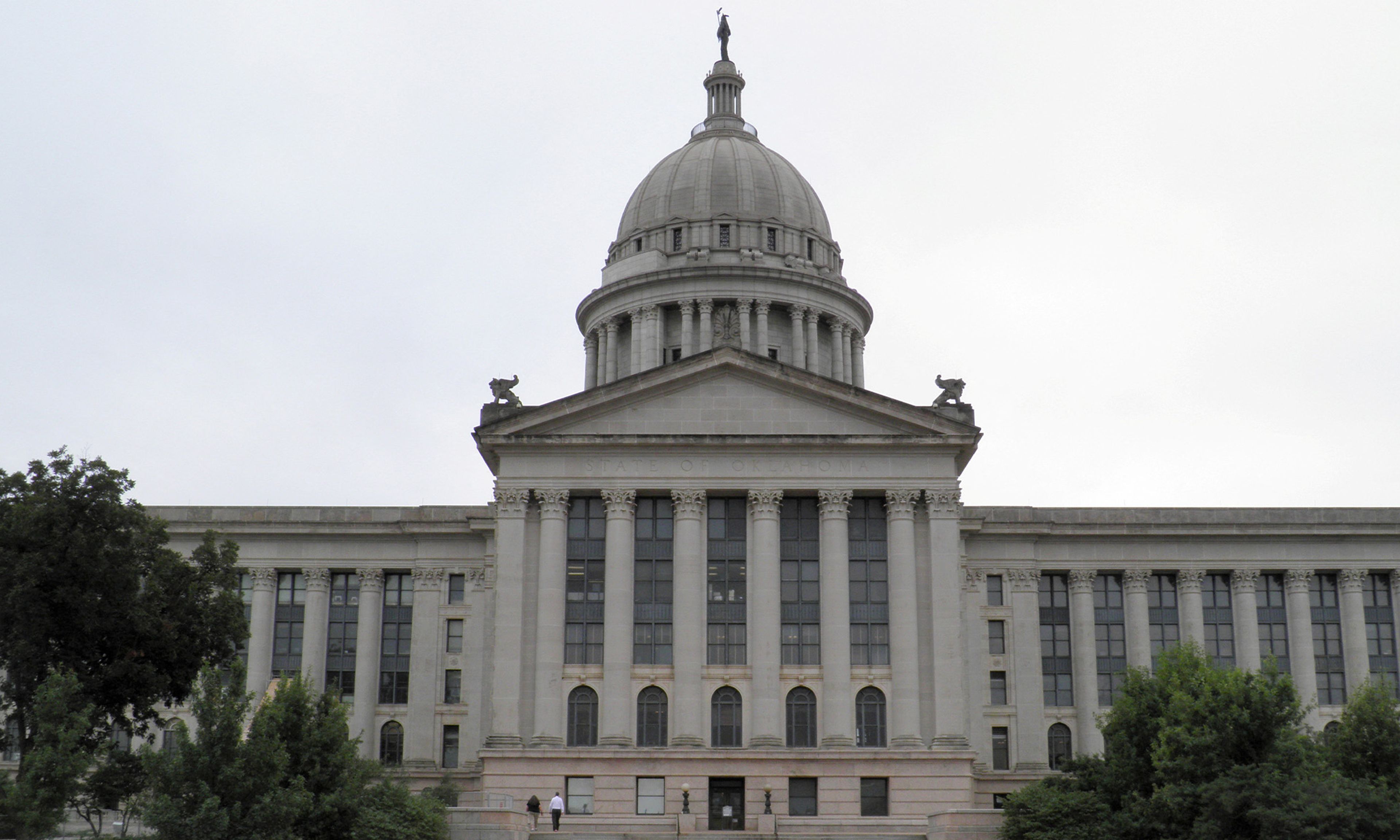
With America’s growing demand for school choice and growing need for high-quality, accountable options, adopting faith-based charter schools could be the most sensible next step in K–12 education reform. And yet, sadly, too many are bound and determined to stop that from happening. Recently, the Oklahoma Supreme Court — in response to the state’s earlier approval of a Catholic-affiliated virtual charter school — became the latest example, holding that faith-based charters violate the state’s and the federal constitution.
I’m reasonably confident that the U.S. Supreme Court will, before long, conclude the opposite. But I’m less confident, though equally hopeful, that state legislators will take up this matter and address the thorny policy issues it raises. Faith-based chartering is too important to be left to the courts alone. But resolving this legislatively will require balancing competing principles, standing up to angry activists, and compromising to get something done — a vanishing set of skills and dispositions in today’s polarized politics.





Comments