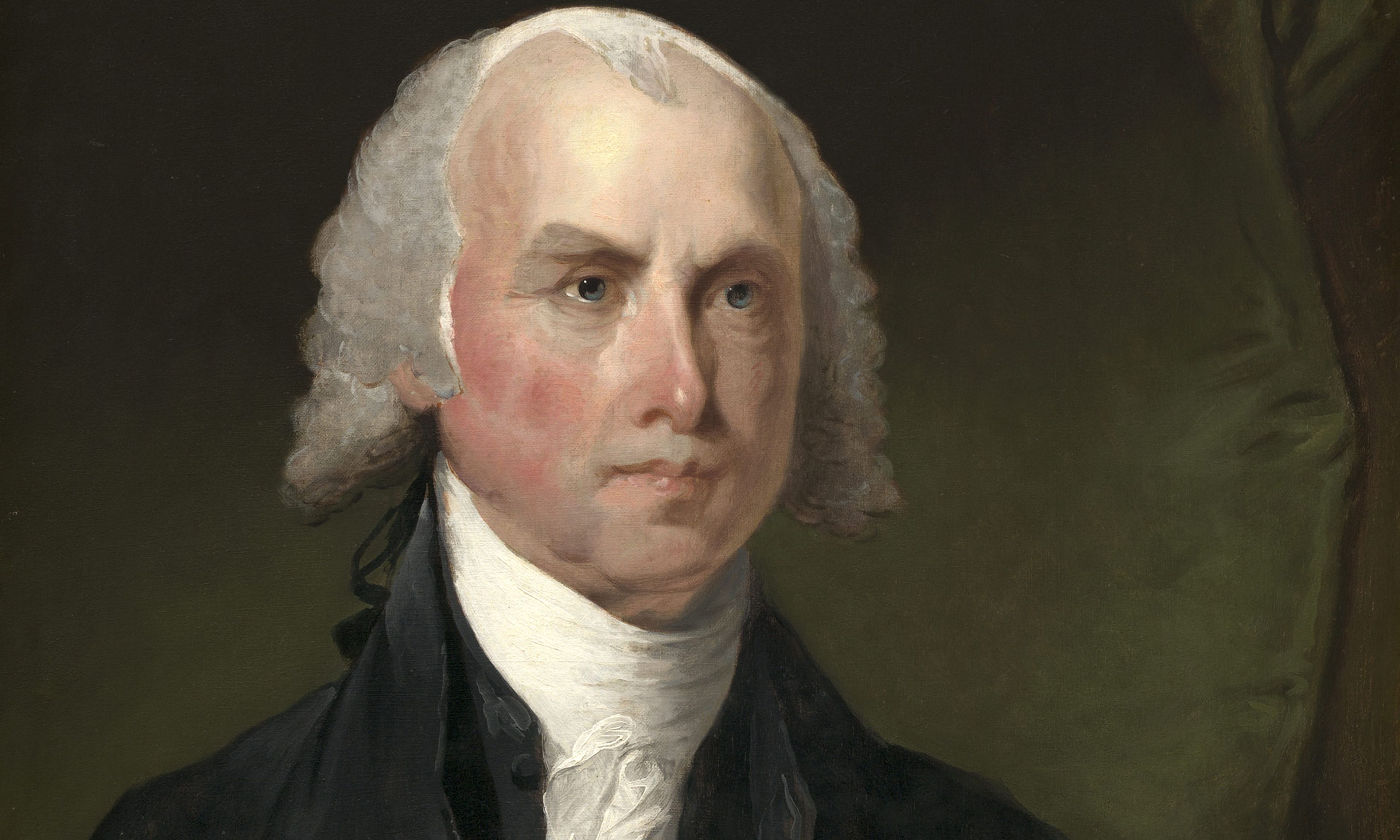
As we celebrate the birth of our nation 250 years ago — a moment at which we declared our independence from a powerful monarchy that was oppressing the American people — a “decent respect to the opinions of mankind” (as it says in the Declaration of Independence) justifies our looking back at our Founding documents to understand precisely where we came from and where we are today in preserving our republican form of government. One of those is, of course, the Bill of Rights, a crucial document outlining Americans’ constitutionally guaranteed rights and liberties that was essential to the ratification of the Constitution itself.
In retrospect, it’s easy to acknowledge our Constitution and Bill of Rights as the great achievements that they are. We ought to go further, though, and recognize how our foundational documents could have been even better — particularly when one considers the threats to our liberties and prosperity that we face today from a bloated administrative state. Specifically, our Constitution would have been much benefited had one of the amendments that James Madison proposed to the First Congress not been dropped from the final version of twelve amendments that were adopted by Congress and sent to the states for ratification.






Comments