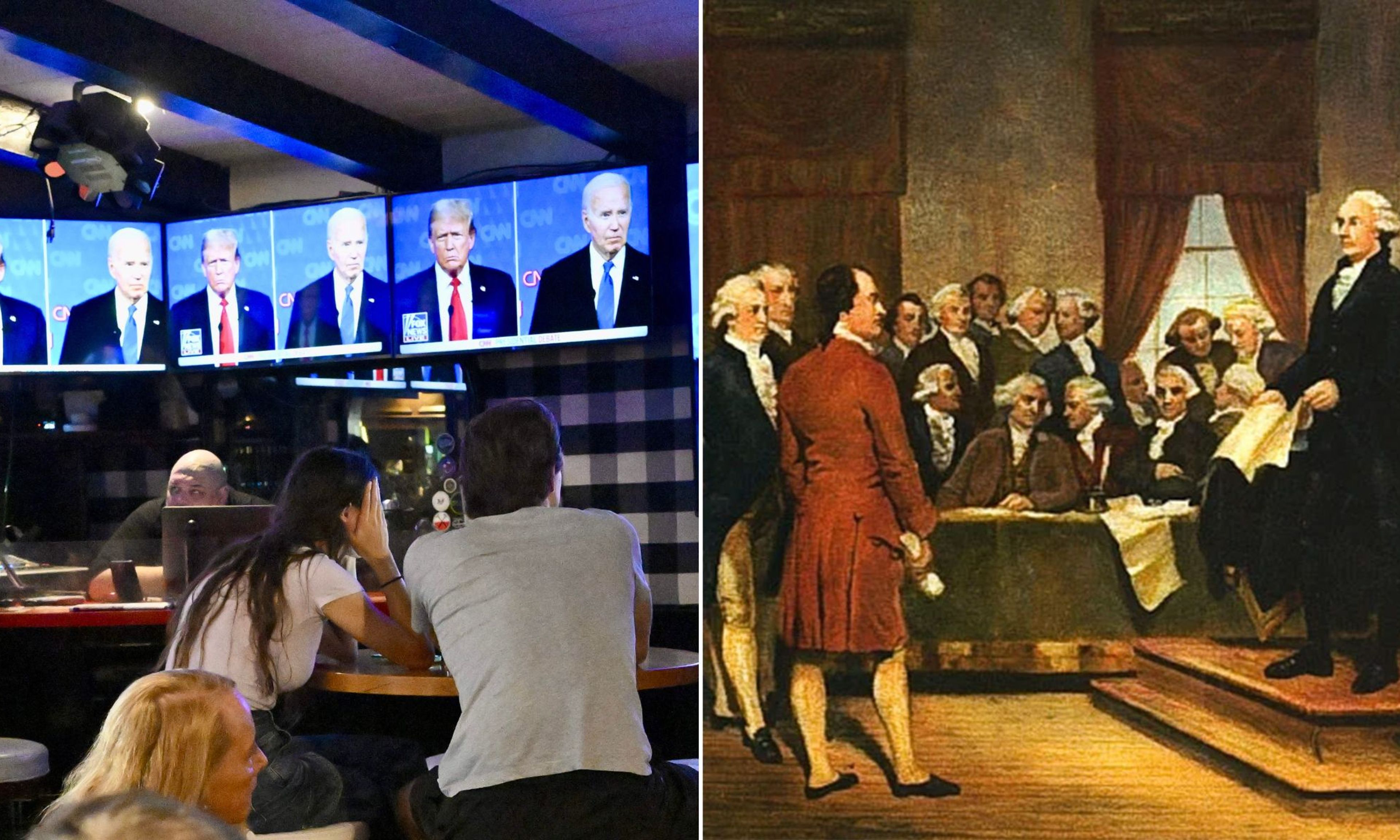
If you want to understand what’s broken in American politics, turn on cable news. Loud, bombastic, shallow — it’s not commentary, it’s combat. I should know. For years, I was a regular guest on Fox News, CNN, MSNBC, C-SPAN, PBS, and others. Across the dial, opinions differed, but the tone was the same: vitriol disguised as debate.
If the media are a mirror, then it’s no wonder Americans are losing faith in the very idea of public discourse. Pew Research reports Americans “trust each other less than they did a few decades ago,” showing a stark decline from 46 percent in 1972 to 34 percent in 2018. Robert Putnam, author of Bowling Alone and The Upswing, warns that America’s unraveling is fueled by political polarization that is greater “than during the Civil War.” He recounts how Americans “entered the Sixties in an increasingly ‘we’ mode . . . and we left the Sixties in an increasingly ‘I’ mode.” And in her book Uncivil Agreement, Liliana Mason puts it more starkly: “Our conflicts are largely over who we think we are, rather than over reasoned differences of opinion.”




Comments