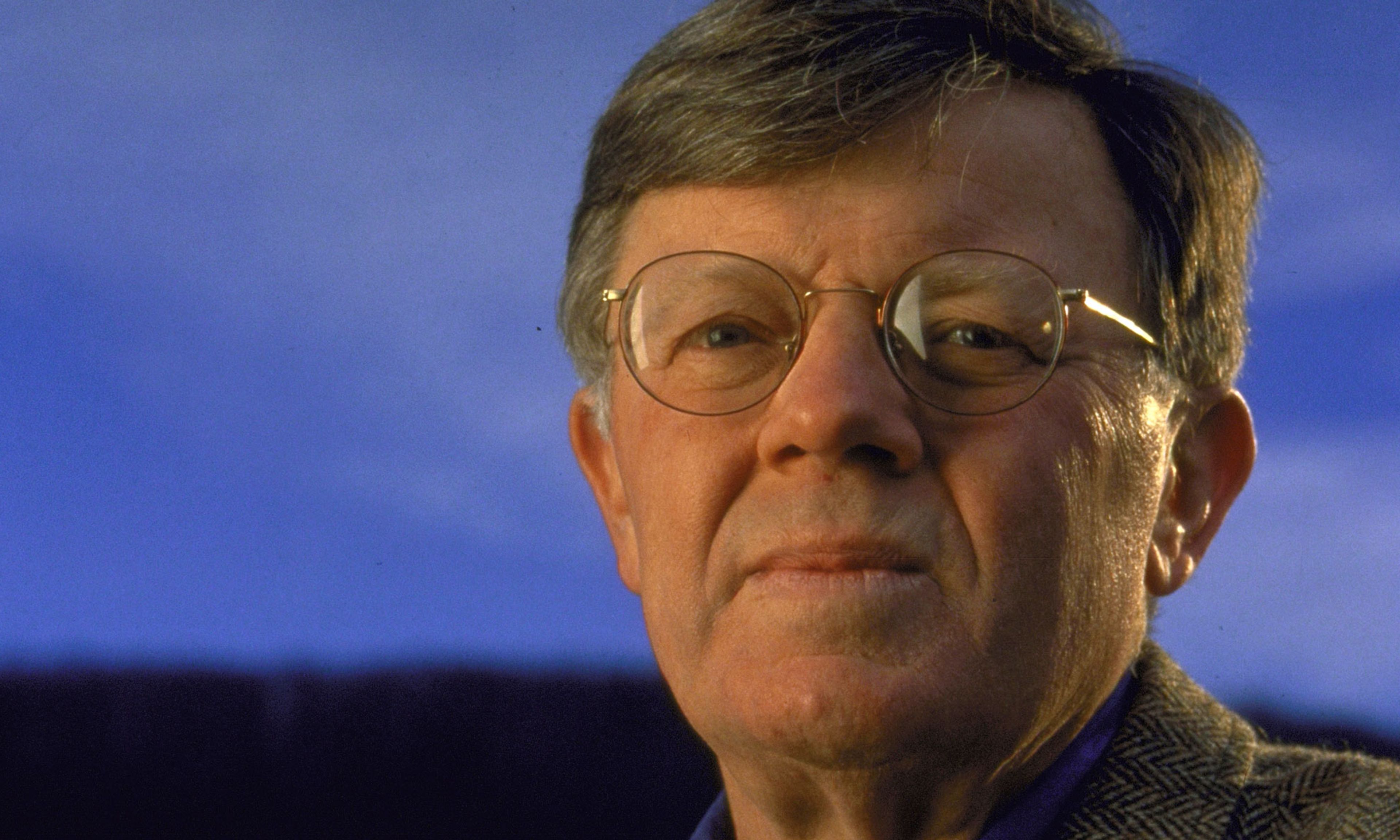
I think it was during my second conversation over lunch with Lance Morrow, who died November 29, that I said to him, “Why didn’t I meet you 30 years ago?” We were so quickly attuned, Lance’s table talk was so endlessly fascinating, and his insight into both modern American history and the contemporary American scene was so penetrating that I wished the Creator had arranged things so that I could have been in personal contact with this man (whom I had been reading since college) for a much longer period than the seven years we were eventually granted as colleagues at the Ethics and Public Policy Center and as friends.
The 16th-century French philosopher Michel de Montaigne, who invented what we know as the “essay,” named this literary form after the French verb essayer, to “try.” A back-of-the-book Time essay or Wall Street Journal op-ed column — two literary forms in which Lance Morrow excelled — was thus a matter of trying: trying to identify and explicate the kernel of truth about the human condition hidden beneath the flow of events and the endless personality parade that make up “the news.” No one did this better than Lance Morrow, from the days in which he displayed a notable moral earnestness in Henry Luce’s weekly news magazine to his most recent musings on the state of the republic in the days of Donald Trump vs. Kamala Harris. That voice — serious but never pedantic, concerned but never despondent — will be sorely missed.




Comments