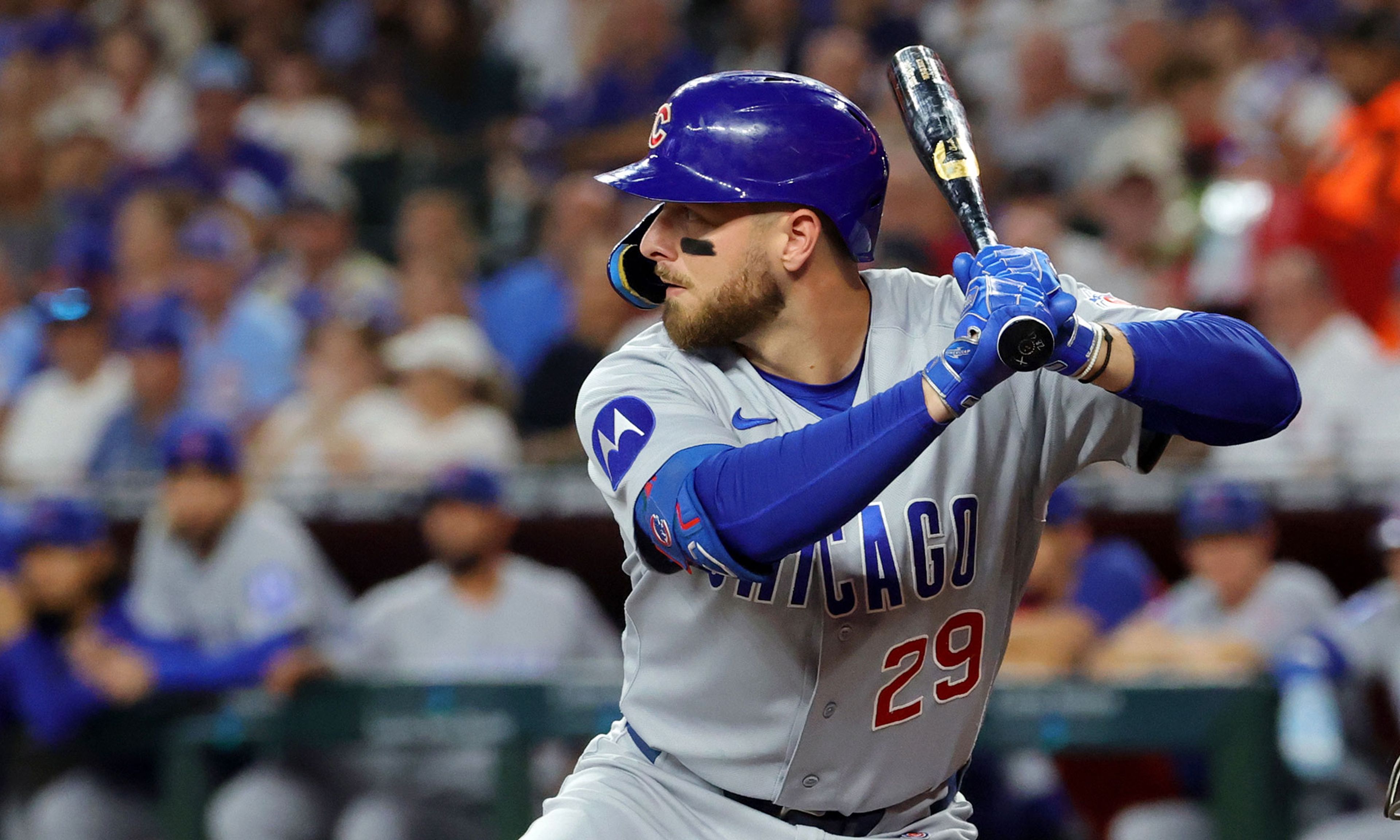
Why would a sports bar across the street from Chicago’s Wrigley Field put a money stake on the Cubs failing? Rizzo’s, a 20,000-square-foot bar in Wrigleyville, did just that. It bought a contract that would pay if the Cubs hosted fewer than two home playoff games. The Cubs then lost both Wild Card games to the Padres in San Diego, triggering the payout.
The logic is called “hedging.” Rizzo’s revenue depends heavily on the Cubs going deep into the playoffs. A longer run means a packed bar and thousands of dollars in higher takings. An early exit means empty stools and quieter cash registers. The bar’s position cushioned that downside risk. If the Cubs progressed, Rizzo’s would earn lots of revenue, minus the cost of its hedge. An early exit would instead trigger a payout at least offsetting some of the missed takings. Through prediction markets, the bar uses derivatives to turn uncertain income into a more predictable stream.


Comments