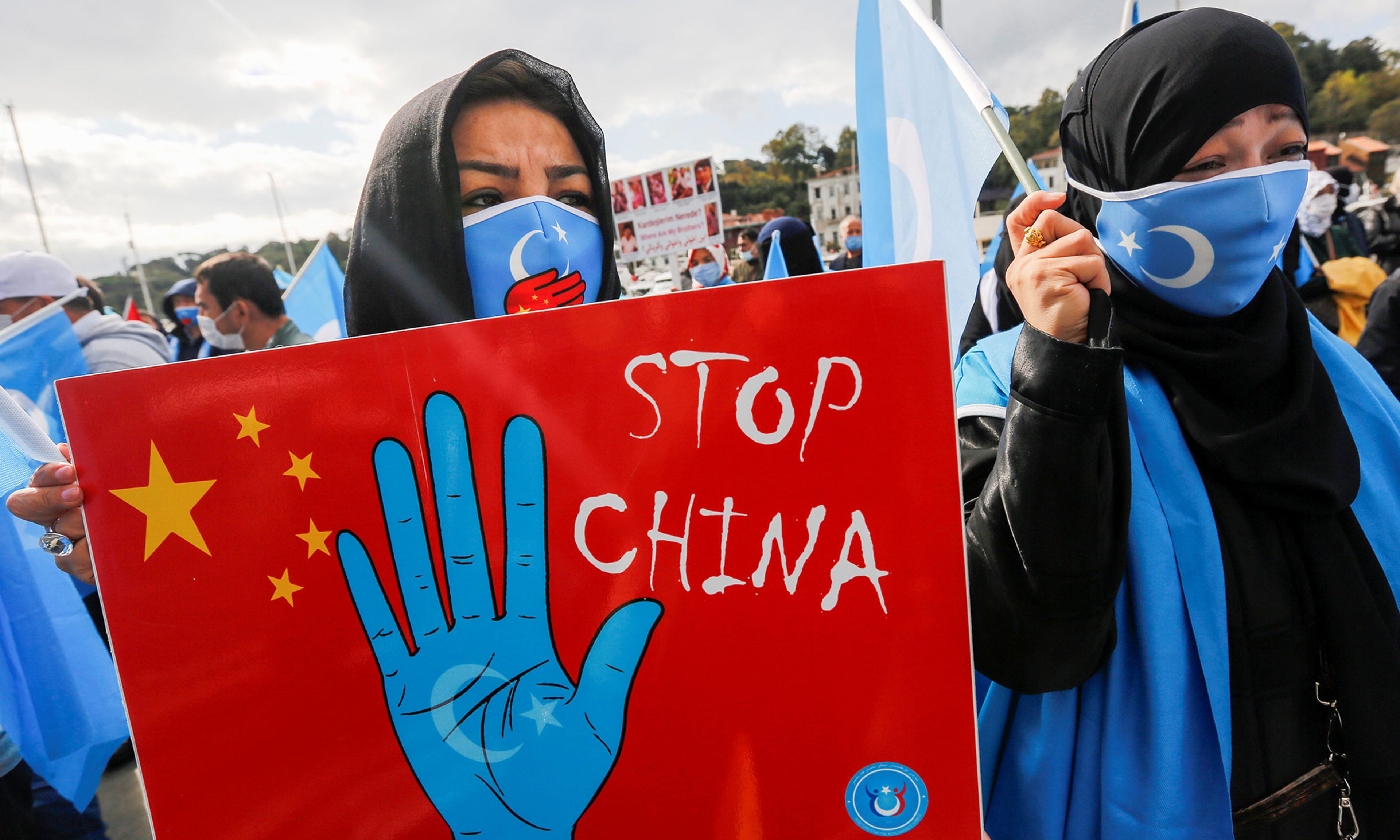
Recently, the Trump administration formally notified Congress of its plans to reorganize the State Department. Plans include drastic cuts to both personnel and funding at the Bureau of Democracy, Human Rights, and Labor, the bureau at the U.S. Department of State most responsible for safeguarding freedom and human rights abroad.
Reducing bureaucracy and the size of the federal government is a worthy endeavor. Yet this announcement came amid rising threats to U.S. national security from the authoritarian governments of nations such as China, Russia, North Korea, Iran, and others. An increasingly dangerous world stage makes it all the more obvious that a restructuring which comes at the expense of a strong national defense and a robust arsenal of tools to defend human rights is not just shortsighted. It also forgets what made Ronald Reagan’s peace through strength possible.



Comments