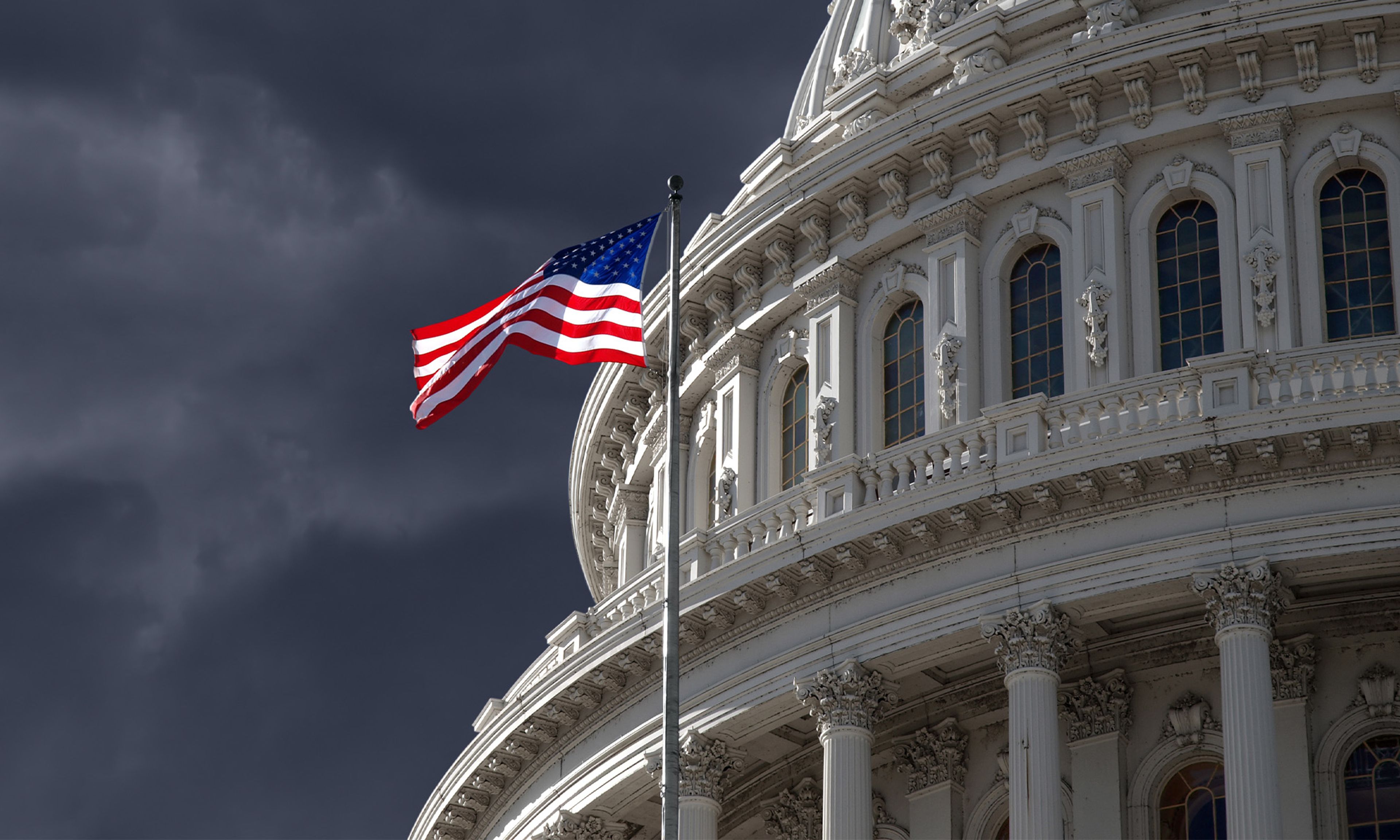
Beset by partisan scuffles for political advantage as the midterms approach, Congress on Friday night failed to renew one of the powers central to the fight against foreign terrorists. Without the power to intercept foreign electronic communications, Republican and Democratic leaders have allowed a large hole to emerge in Washington’s ability to detect and stop foreign attacks. Congress has demonstrated again that it cannot shoulder the government’s most fundamental duties; its failure now requires President Trump to draw on his constitutional power to fill the gap.
Until Friday night, Section 702 of the Foreign Intelligence Surveillance Act (FISA) allowed the National Security Agency and FBI to intercept electronic communications abroad. The intelligence agencies can use this information to build a mosaic of terrorist activities and inform law enforcement to pre-empt attacks before they occur. If our government had the legal ability to collect this information and share it before September 11, 2001, it could have prevented the catastrophic strikes on New York City and Washington, D.C.


Comments