The old slogan “guns don’t kill people; people do” is frequently invoked in debates over gun control. Though glib and often abused, it points to a real moral issue: human agency. But when applied to modern questions of warfare involving AI, it needs to be updated — AI should not kill enemies; soldiers should. The question facing the United States is not whether AI will be used in war — it already is — but whether we will preserve the moral architecture that rightly places responsibility for killing in human hands.
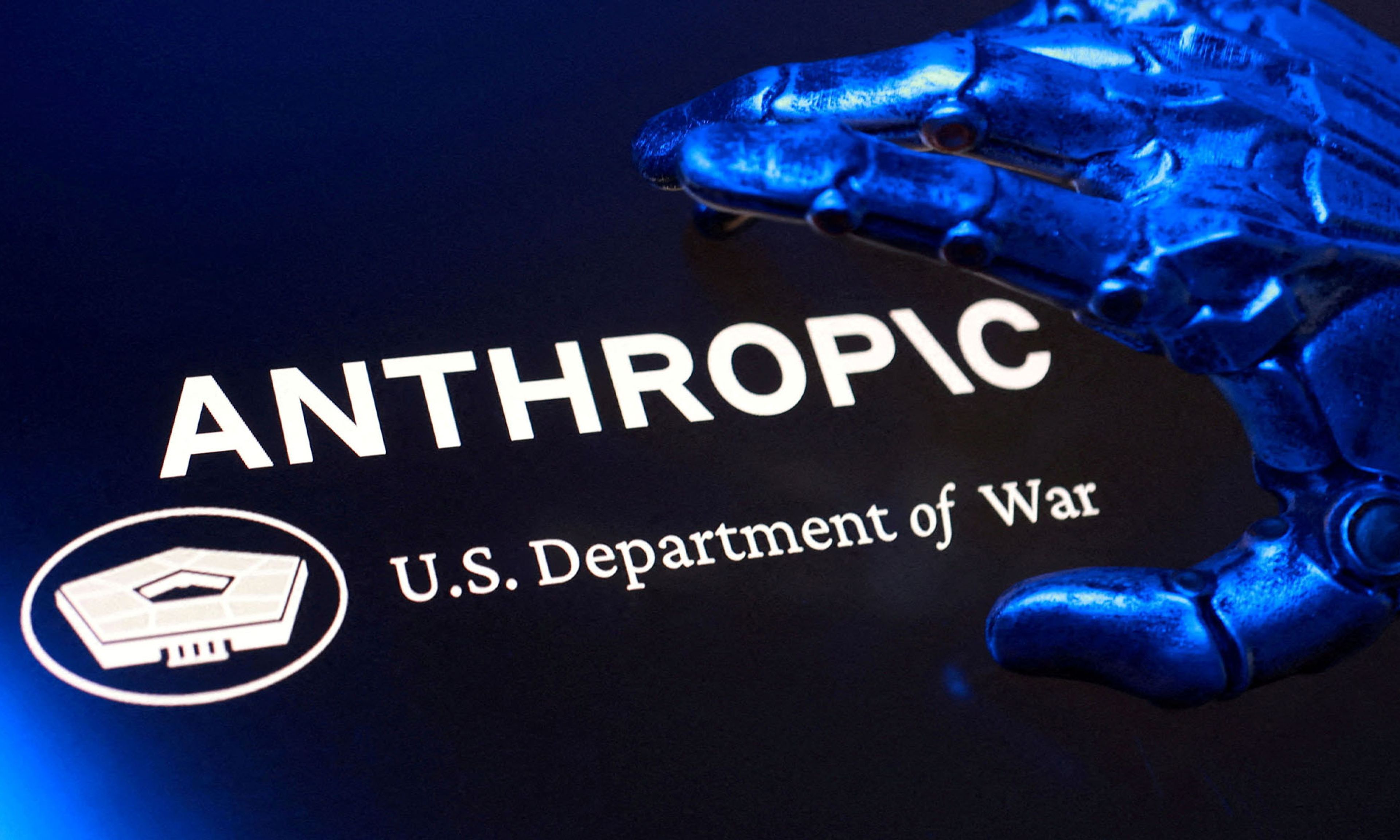
Recent debates between AI developers and the Pentagon expose a deep moral question: Who bears responsibility when lethal force is used? Who ought to possess ultimate authority over life-and-death decisions: human agents or autonomous machines? In the end, who — or what — pulls the trigger? At present, thankfully, AI companies such as Anthropic are insisting that their technology not be used autonomously — despite mounting pressure from the Pentagon, which is now taking steps to part ways with the company. As war begins between the U.S. and Iran, these questions are especially pressing, and they will remain relevant in all future armed conflicts.



Comments