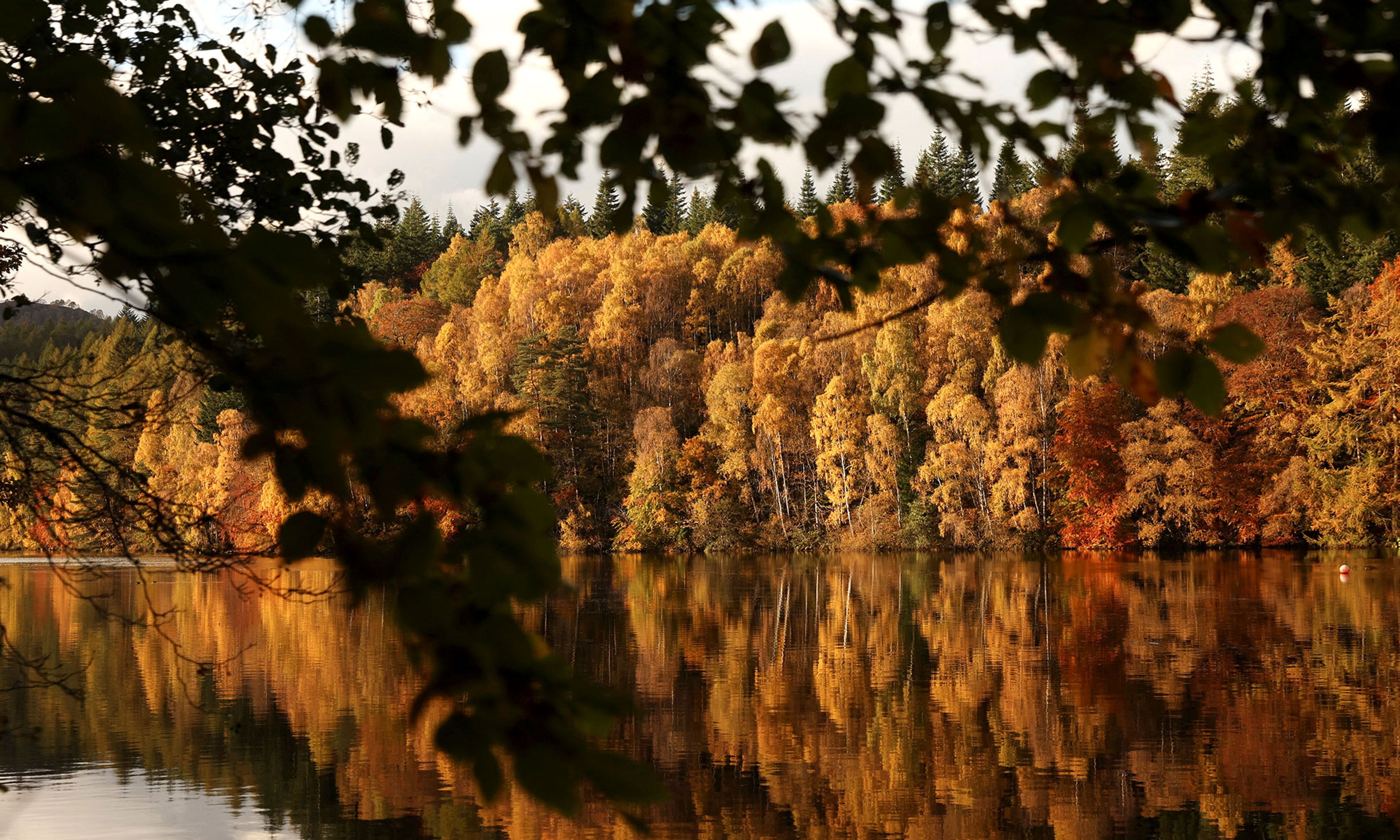
A morning of precociously early snow did not spoil this year’s harvest of fall colors. The yellowwood tree outside my window, true to its name, has been shaking out the last of its golden plumage over the sidewalk. The pumpkins will shortly come down; the strings of lights, if they haven’t already, will go up.
We are departing what John Keats, in his great ode “To Autumn,” called the “Season of mists and mellow fruitfulness.” Keats composed his poem after a Sunday walk in the English countryside in September 1819. “How beautiful the season is now—How fine the air,” he wrote to a friend. “A temperate sharpness about it. Really, without joking, chaste weather—Dian skies.” Walking on the outskirts of the town of Winchester, he admired especially the fields laid out by reaping: “I never lik’d stubble fields so much as now—Aye better than the chilly green of the Spring. Somehow a stubble plain looks warm—in the same way that some pictures look warm.”





Comments