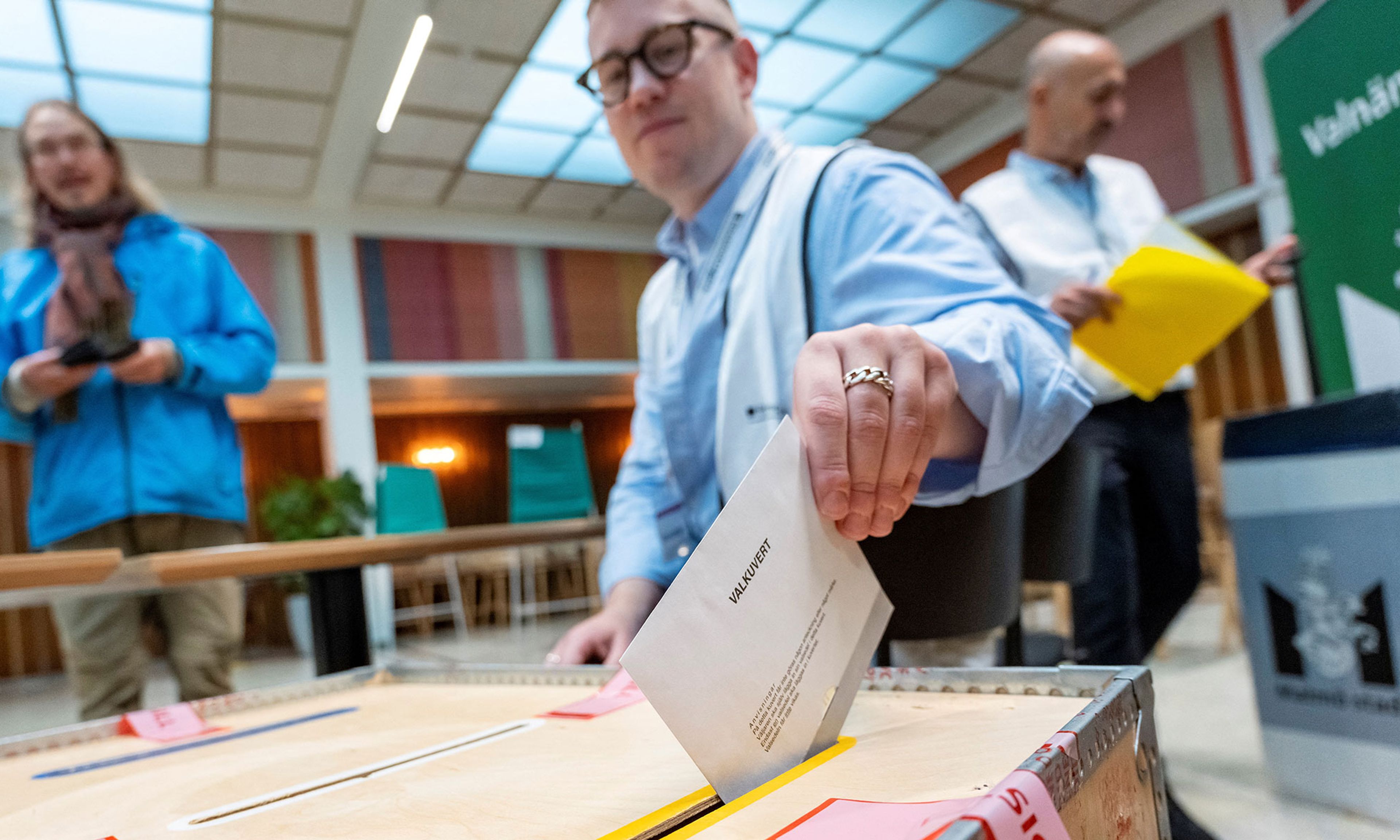
On September 13, Swedes went to the polls to elect a new Riksdag, their unicameral parliament. The right-wing coalition government, supported by the national-conservative Sweden Democrats, narrowly lost the election by 0.7 percent — exactly its margin of victory in 2022. The biggest story coming out of the election, however, is an ever-growing list of allegations of electoral fraud that may trigger a revote.
First, some background: Sweden uses proportional representation. Unlike in the U.S., where each constituency elects a single member, Swedish constituencies elect several. In each constituency, each party runs a list of candidates determined by a nominating committee; the higher a candidate ranks on that list, the higher the esteem in which the party usually holds the candidate. But this party ranking is not the only thing that matters; on a Swedish ballot, voters can vote for a party, but they can also check the box next to an individual candidate they wish to vote for. If the party gets one seat, normally only the candidate topping the list is elected. Most candidates are ranked too low to have a realistic chance of winning office.




Comments