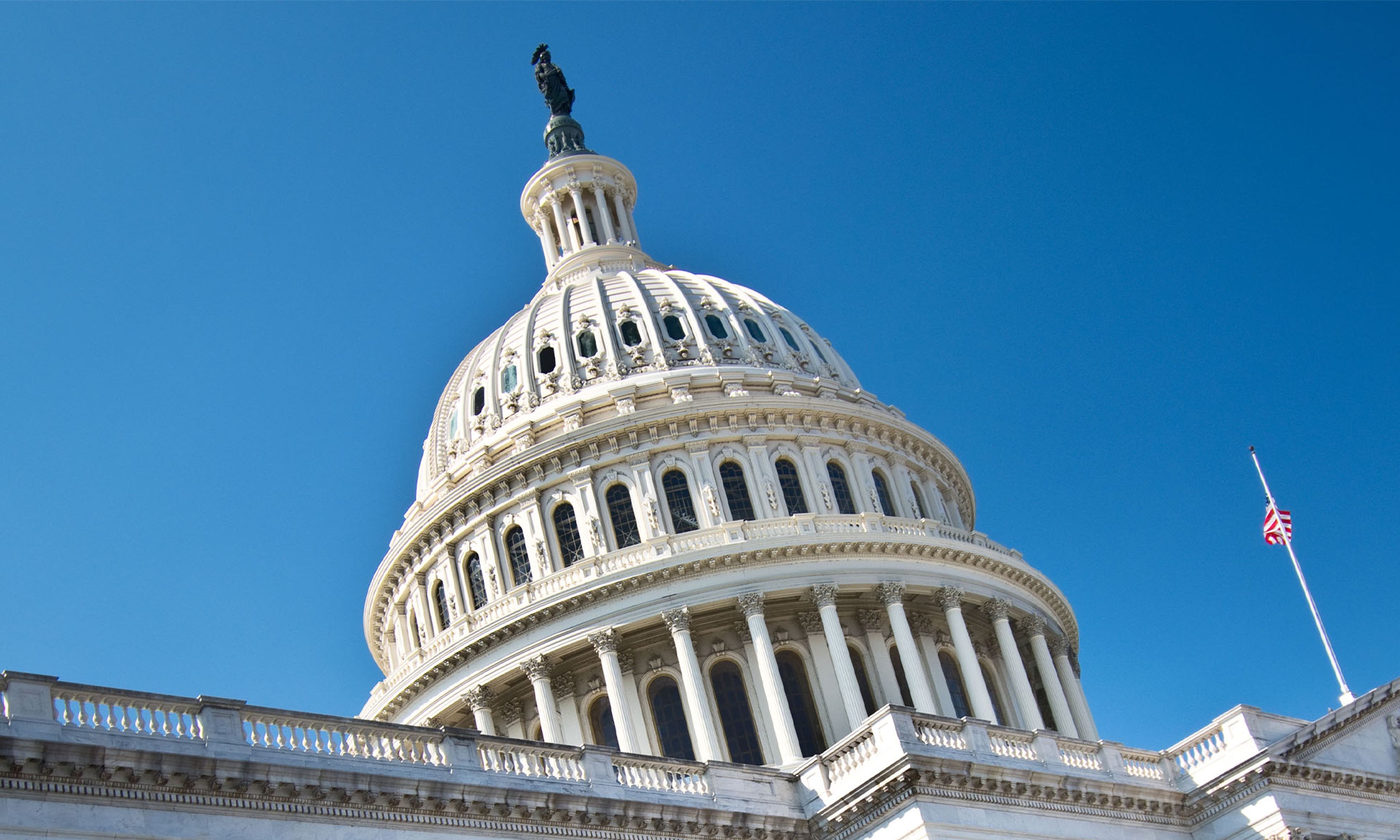
Not all change is progress. It’s true for life, and it’s true for our Constitution. America’s governing document bears several good modifications — the original Bill of Rights and the 13th, 14th, and 15th “Civil War Amendments” chief among them. Other changes are more suspect. The 18th Amendment that ushered in Prohibition, for example, was so disastrous and hated that it was repealed a mere 14 years later.
April 8 marks the 110th anniversary of the ratification of the 17th Amendment, a change to the U.S. Constitution that replaced the election of U.S. senators by state legislatures with direct election by the people of each state. Many consider it an improvement in the constitutional structure. They are wrong. By compromising the Senate’s fitness to fulfill its role within Congress, the 17th Amendment undermined the legislative branch. We’re living with the ramifications of that decision today.





Comments