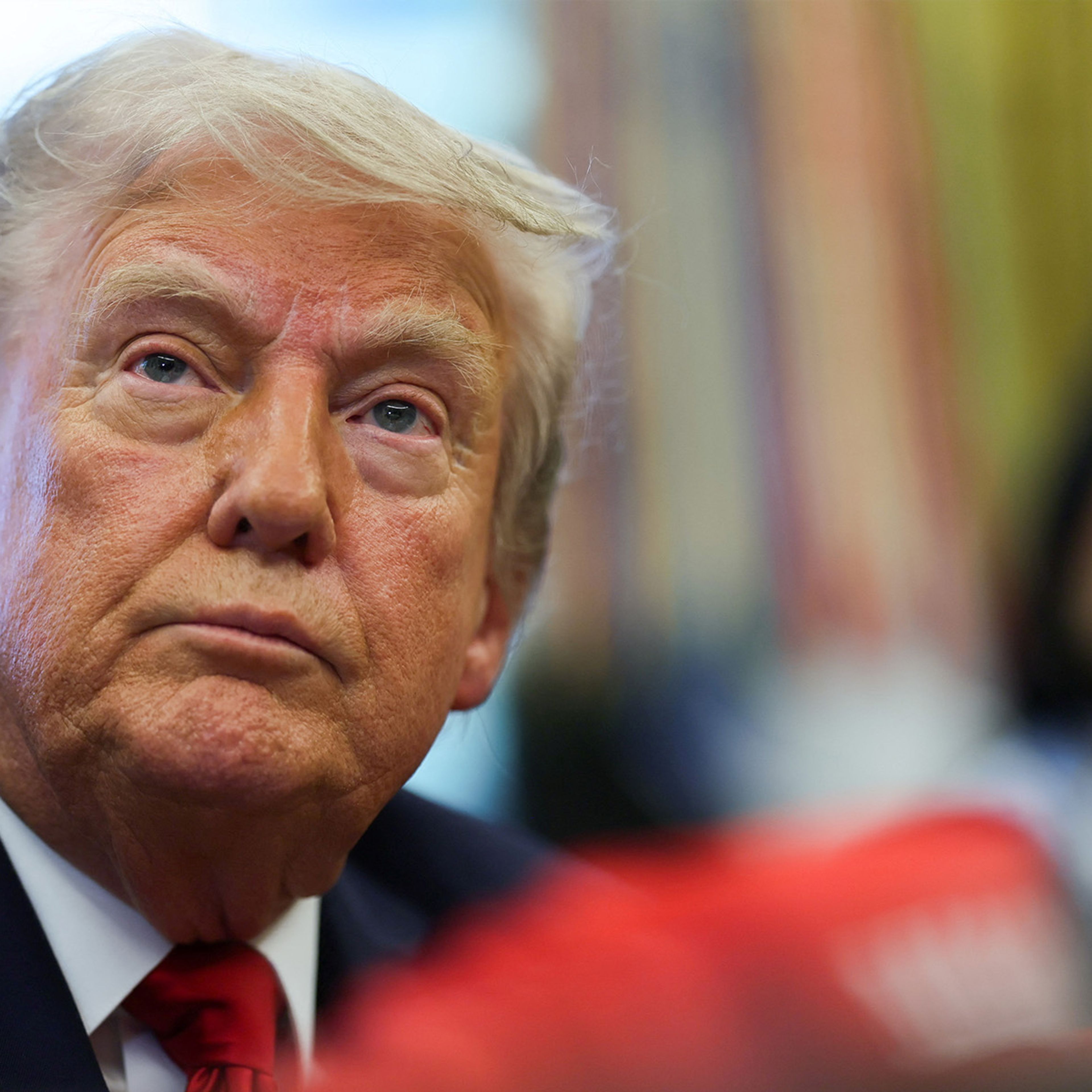
Successful policy innovations often come from the most unexpected people and places. As citizens quipped for a half century, only arch Cold Warrior Richard Nixon could open up Communist China. Today, perhaps, only some Donald Trump acolytes such as Elon Musk can make black lives matter, undoing years of bloody damage from progressive activists and indifference from everyone else. If there was ever a tempting target for the Trump administration’s proposed Department of Government Efficiency (DOGE), American policing and criminal justice is it, boasting whole orchards of low-hanging fruit. Success in protecting black (and all other) lives could simultaneously increase President Trump’s already substantial support among racial and ethnic minorities and free sensible Democrats from the grip of their party’s extremists.
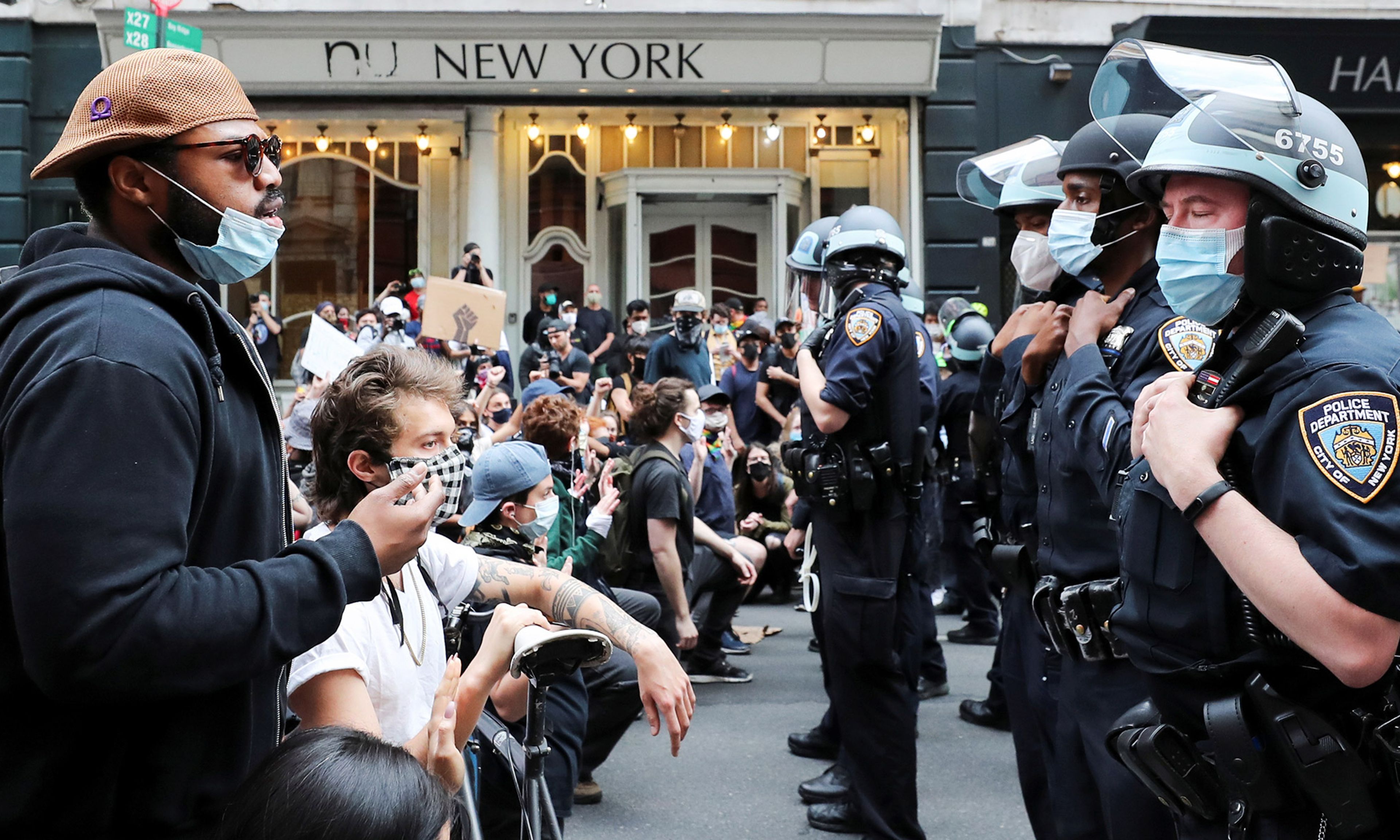
For more than a decade — Trayvon Martin was killed in 2012, Michael Brown in 2014 — Black Lives Matter has been an untouchable sacred cow for progressive Democrats, attracting at least $10 billion in donations and goosing progressive voter turnout, per serious scholars such as Harvard’s John Della Volpe. The dominant BLM narrative paints police as an existential threat to black people. Activists even claim, falsely, that modern police evolved from antebellum patrols organized to apprehend escaped slaves. In reality, of course, such institutions as the city watch and the king’s guard date back to an era when there were walled cities and kings. Robin Hood’s great opponent was the sheriff of Nottingham, and, as Guy de la Bédoyère notes in his excellent book Praetorian, the first true lawmen were probably pensioned-off Roman legionnaires. Any paradigm that simply denies all of this essentially requires that activists smear critics as racist, contributing to the toxic state of contemporary discourse.



Comments