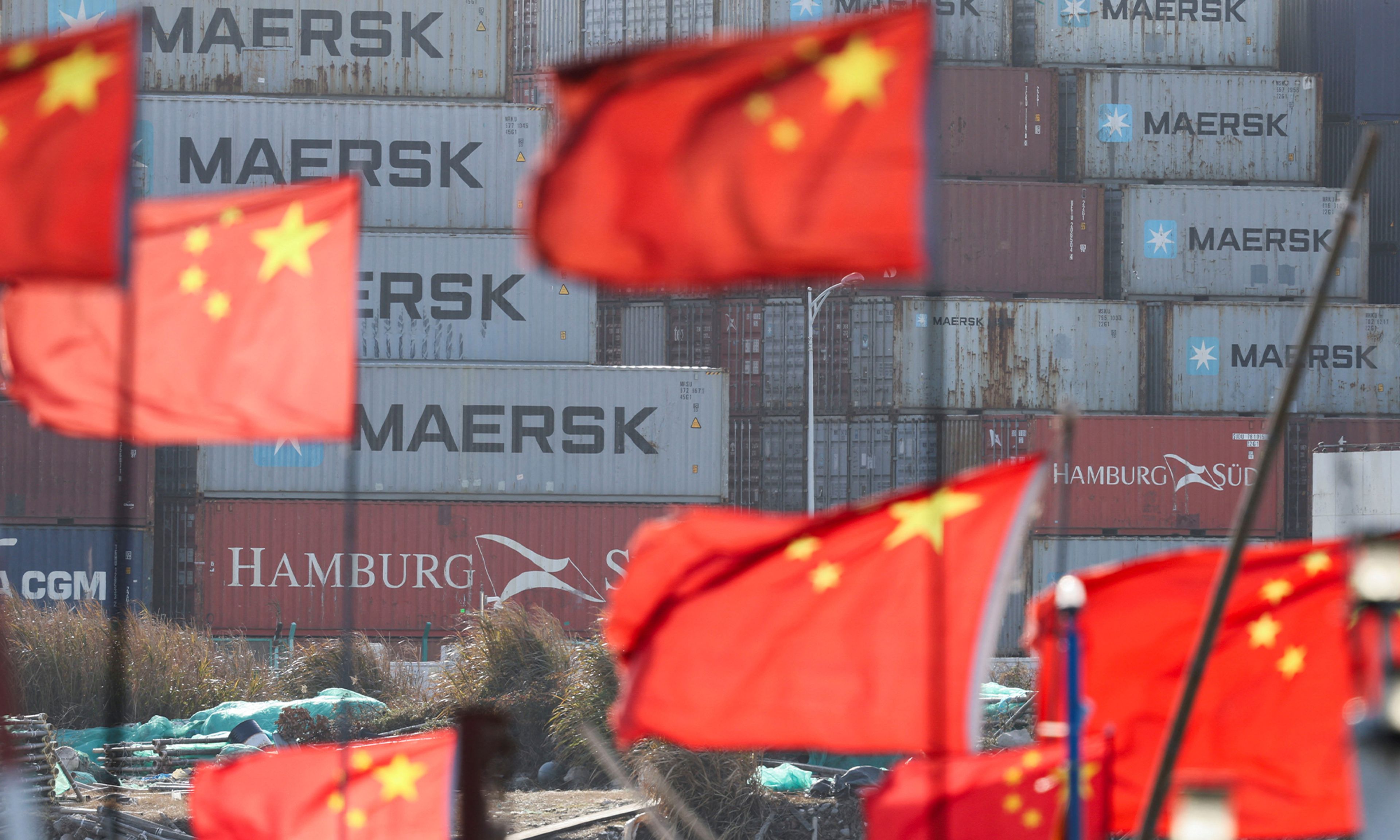
The two most recent Capital Letters have been concerned with the economic threat China poses to the EU. The first was focused on the damage mercantilist Chinese competition was doing to Europe’s commodity chemicals industry but also touched on how Germany’s carmakers and engineering sector faced a similar challenge, a topic discussed in more detail in the second. The attacks on these key European sectors are themselves part of a more general surge in Chinese imports into the EU. This is likely to accelerate the pathway to deindustrialization already being paved by overregulation and the futile green “transition.” The implications for the finances of Europe’s more cash-strapped governments are grim, and, at least in certain countries, not too good for political stability either. None of this will sadden Beijing.
Mao, echoing Carl von Clausewitz and reflecting his own ideological obsessions, observed that “politics is war without bloodshed.” The same, under certain circumstances, can be said of Chinese mercantilism, a route down which Beijing has long since embarked. Deng’s reforms were never an embrace of economic and political liberalization. They were designed to replace the Maoist economic model with a system that could deliver the growth needed for China to catch up with the West and eventually establish the global preeminence Beijing felt it deserved. And, as was definitively established in Tiananmen Square, they were designed to do so in a way that did not disrupt the Communist Party’s leading role.



Comments