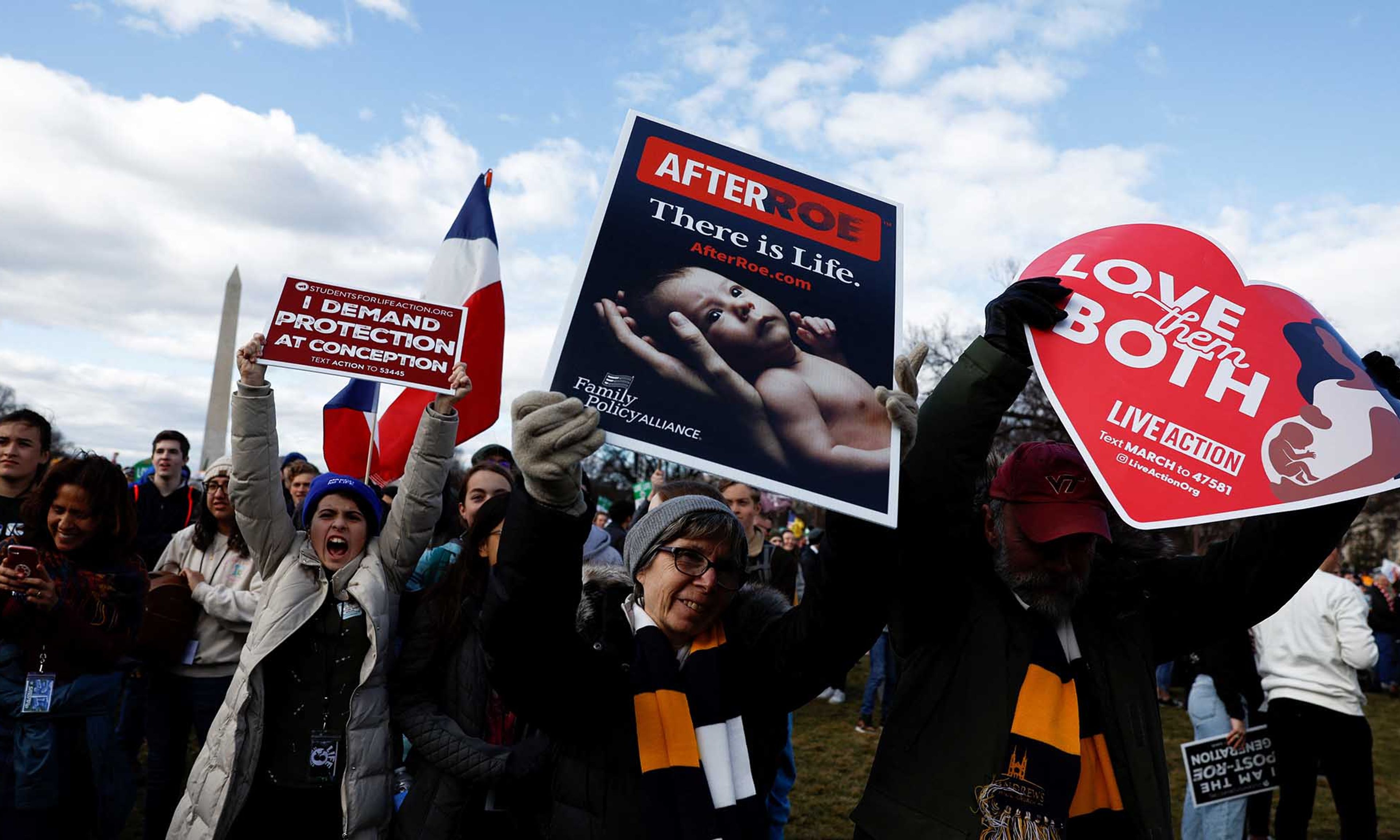
Two years ago, on June 24, 2022, after nearly a half century of dehumanization and science denial, the Supreme Court finally overturned Roe v. Wade with its opinion in Dobbs v. Jackson Women’s Health Organization. That ruling, delivered by Justice Samuel Alito, affirmed the humanity of the human embryo and fetus and ushered in a new era of life-affirming laws for unborn children across America. Pro-life activists rejoiced. The pro-abortion movement lashed out in fury. But now it is appropriate to wonder: Was the decision really such a clear victory for one side and defeat for the other?
What Americans didn’t seem to notice is that, like Roe, the Dobbs decision did not reflect objective biological reality about humankind. The Supreme Court opinion failed to explicitly state that all unborn children are “persons” who have a constitutional right to life under the equal-protection clause of the 14th Amendment. By not constitutionally guaranteeing life for the unborn, Dobbs perpetuated the fallacious notion that some human beings have a reduced status — i.e., that there are some humans (the unborn in this case) who are less than fully human persons. Additionally, Dobbs empowered “the citizens of each State” to redefine the human being and the human life cycle according to their personal proclivities.




Comments