The 19th-century Shakers, who strictly separated men and women in both daily life and social interaction, might seem like an odd example for American campuses to follow in 2026. But as the consequences of morally unbounded but somehow agency-less sexual trysts continue to cause friction unsolvable by liberal platitudes for college campuses, that’s where they seem to be taking inspiration.
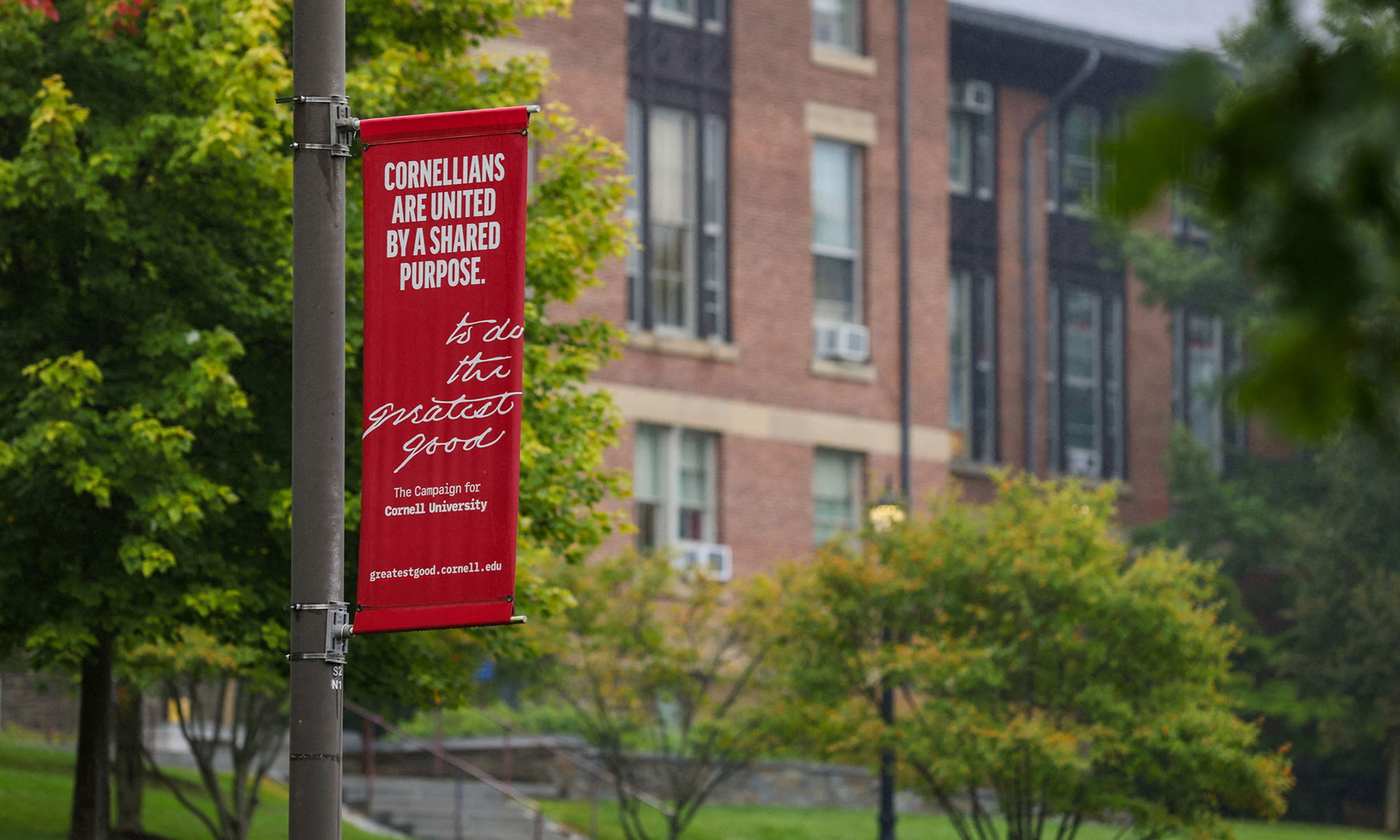
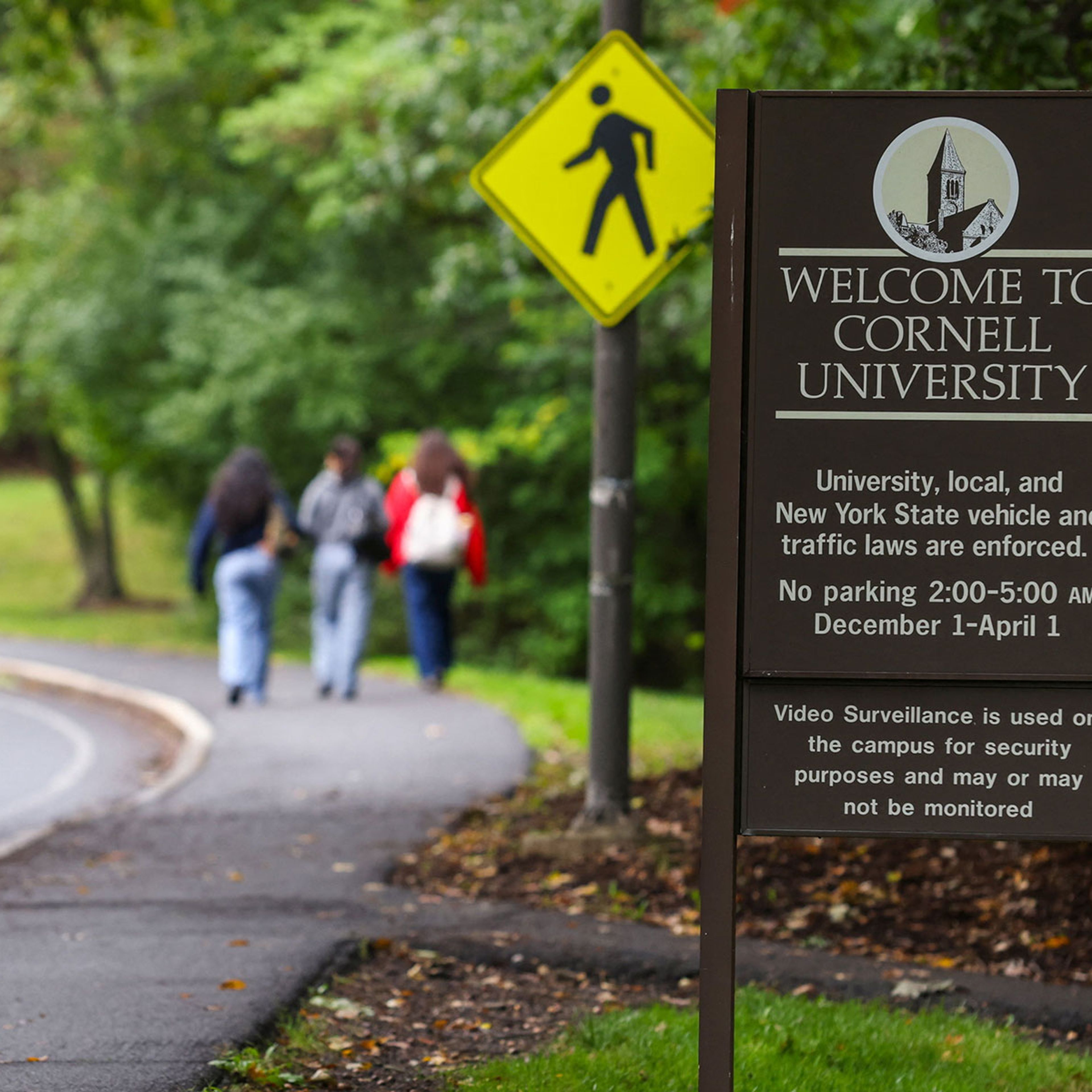
Instead of — heaven forbid — expecting some responsibility and agency from the young women smart enough to get into elite universities, or issuing guidance from older and wiser heads that perhaps it’s not the greatest idea to enter into drug-fueled orgies, Cornell has a better solution two years after the Jane Doe fallout.



Comments