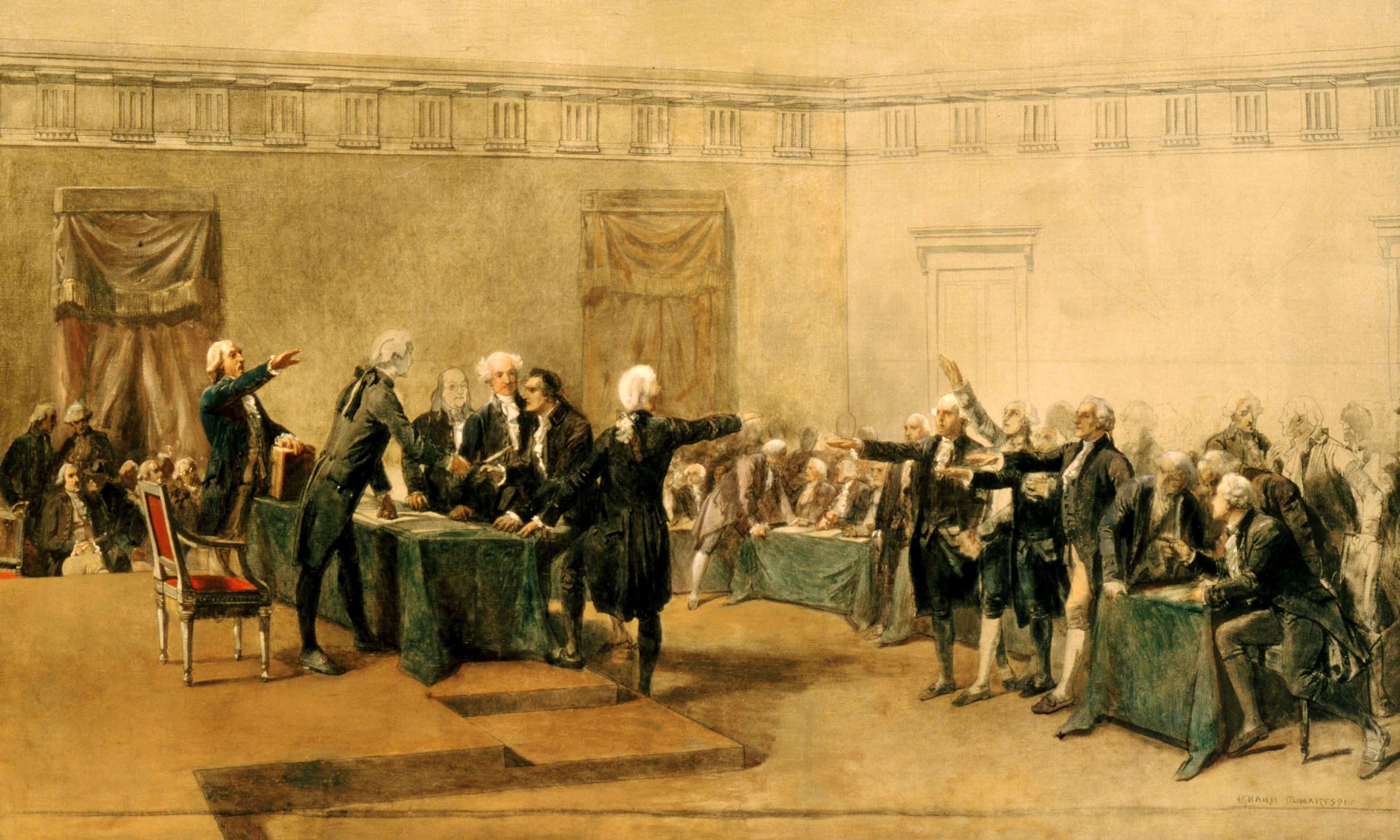
Recently, a friend of mine asked me to read a writing by Michael McKenna entitled “Preserve and protect U.S. Constitution from all enemies.” The author’s argument is that one becomes an enemy of the Constitution when using the Declaration of Independence, the document that initiated and explained why we sought our independence from England, as a guide to understanding “the foundation of who Americans are as a people.” According to McKenna, this understanding can come only from the Constitution. That argument, which ignores how the Declaration enhances our understanding of the legal rights that are provided in the Constitution’s amendments, is just plain wrong and is incompatible with our understanding of conservatism — a political philosophy that respects a country’s unique traditions.
McKenna begins his argument by trying to diminish the significance of the Declaration: “The Declaration was the product of one man. The [Second] Continental Congress considered it for about three days and agreed. The bulk of it was a list of mostly lawyerly grievances directed at the crown.” In sum, the Declaration should only be viewed as “an excellent bit of wartime propaganda, hastily prepared and hastily approved.”




Comments