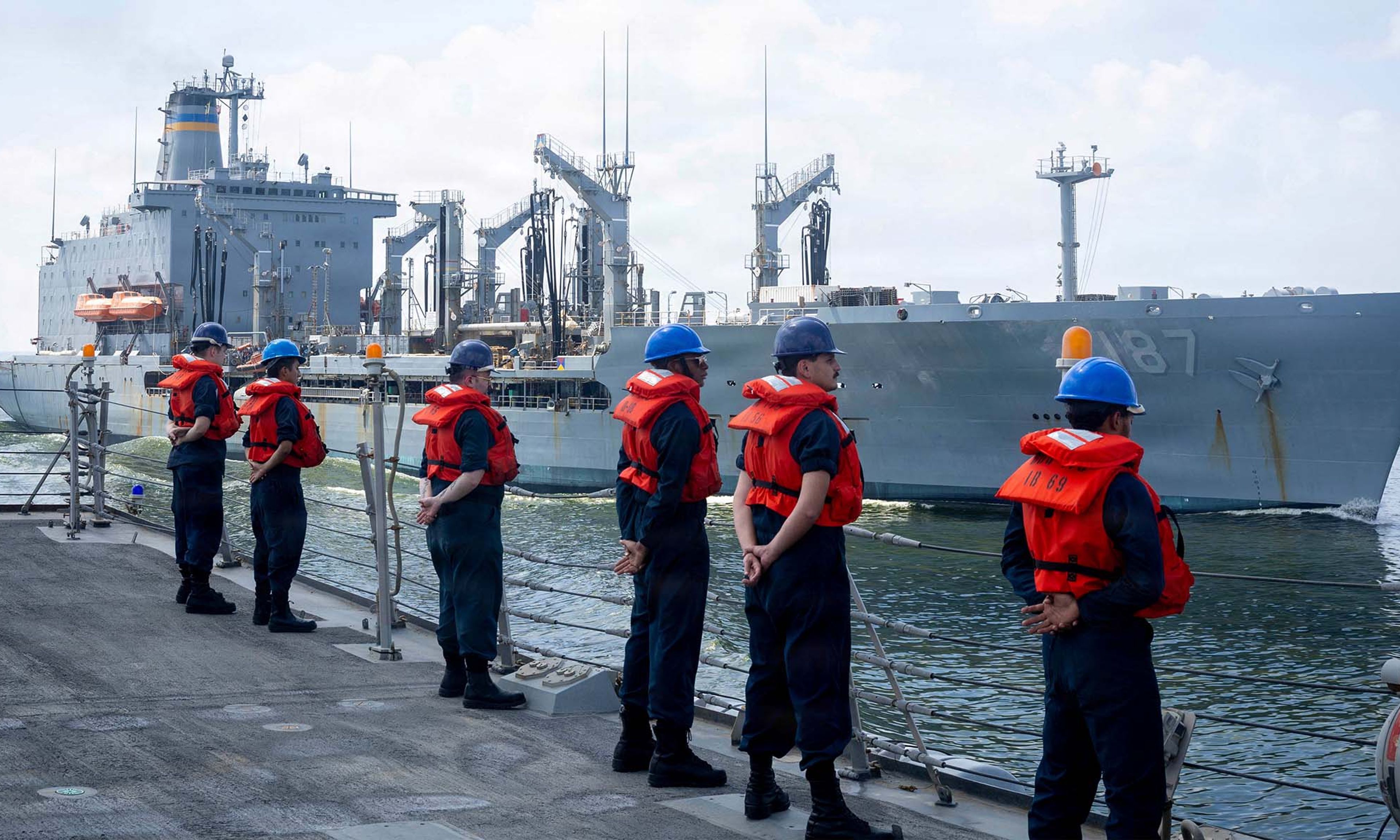
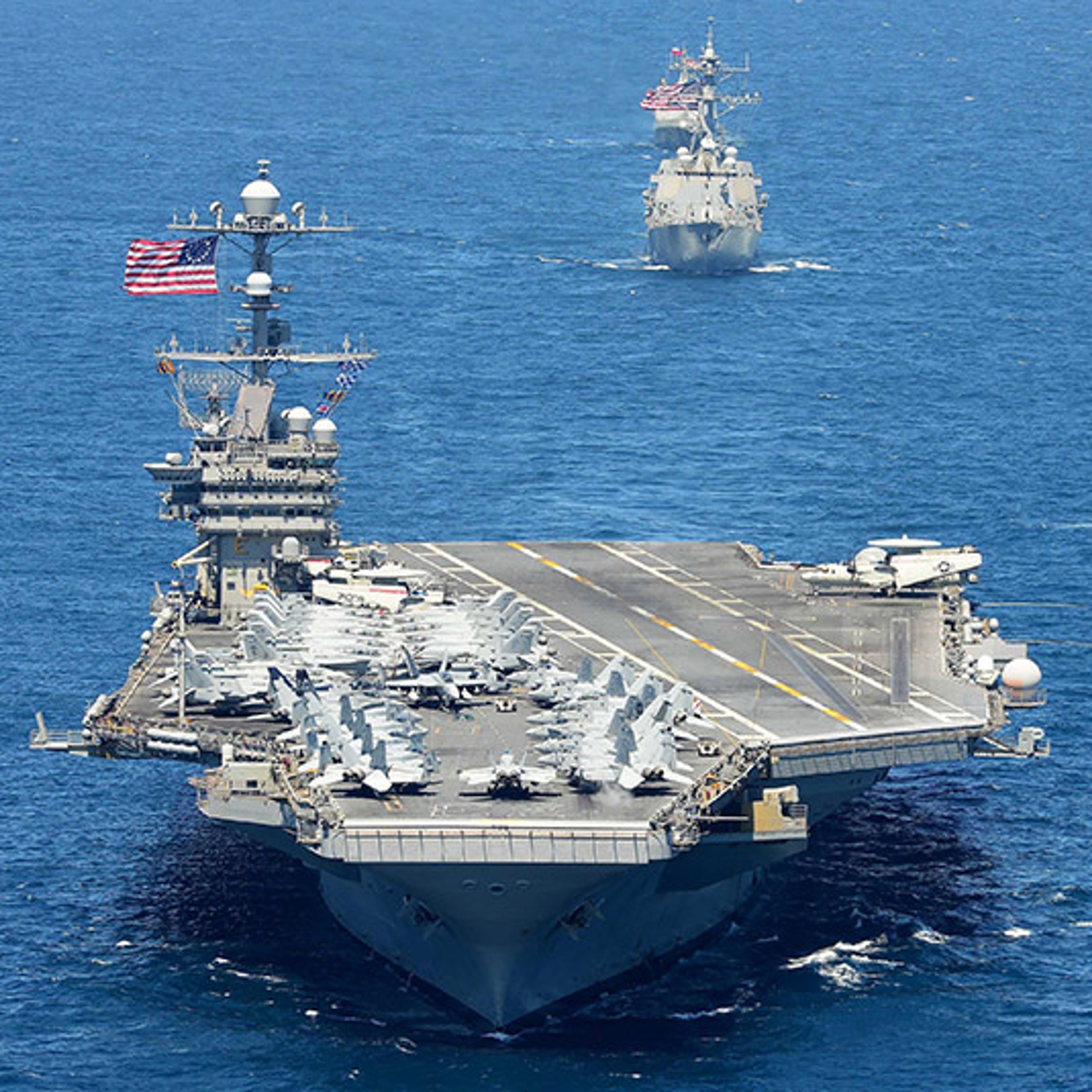
Deployed American aircraft carriers are home to some 5,000 souls onboard and are often described as “floating cities.” But they’re more densely populated than any city on Earth. And in recent years, Washington has asked our sailors and Marines to serve increasingly long and intense deployments to the Middle East and in the Pacific aboard these carriers and the ships that comprise their strike groups. These deployments are consistently breaking records, the kind of which no crew wants to be the record-holder
Elongated tours with fewer morale-boosting port stops that let troops “touch grass” are part of a broader trend in which America stretches its Navy to meet global challenges, and in doing so defers training, delays maintenance, and strains the military with more time away from home. In an increasingly competitive and contested world at sea, reducing America’s reach would be a misstep. To relieve this burden while maintaining our security, we should invest today in the ships, sailors, and systems of tomorrow.


Comments