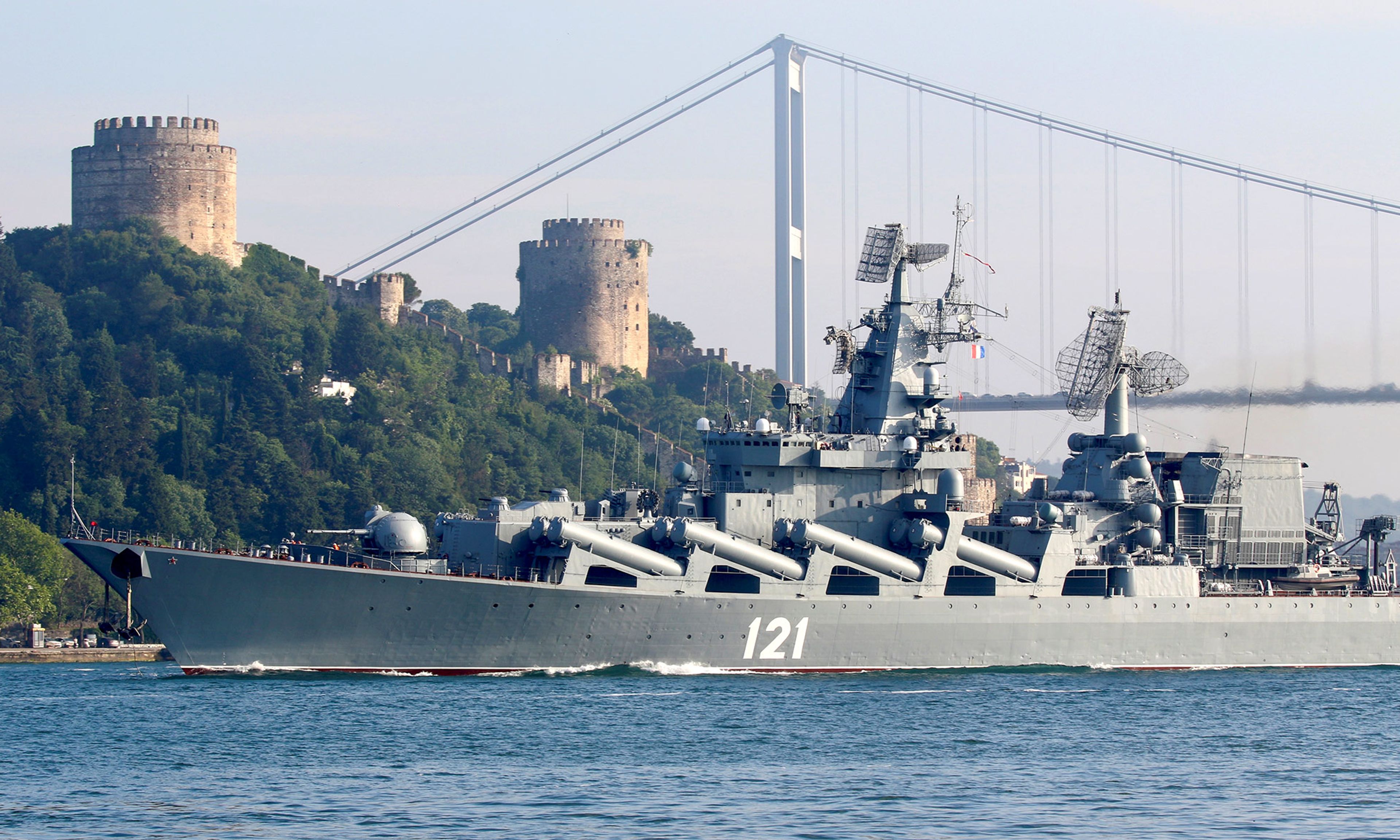
President Biden’s meeting with Xi Jinping on November 15 shifted media attention from COP26 back to great-power politics, but a more subtle, yet perhaps more consequential, shift has occurred over the past month. This shift is remarkable for its lack of American involvement — it presages a Middle Eastern regional transformation over which the United States will have little to no influence. Rather, Russia and increasingly China have become the region’s key external powers. The central question for both as they move forward will be the degree of Iranian expansionism they will accept.
On October 22, Israeli prime minister Naftali Bennett met Russia’s maximum leader Vladimir Putin at the Black Sea resort city of Sochi. The meeting was critical for Bennett given his domestic political position. Prime Minister Bennett’s minority right-wing Yamina/New Right party holds only seven seats, compared to his coalition ally Yair Lapid’s 17. Moreover, the rest of the coalition is composed of numerous splinter, generally secular parties from left and right. Bennett will retain some control in 2023, when the premiership is scheduled to rotate to Lapid. But his numerical disadvantage bodes ill for his and his party’s long-term political prospects.






Comments