Share this story
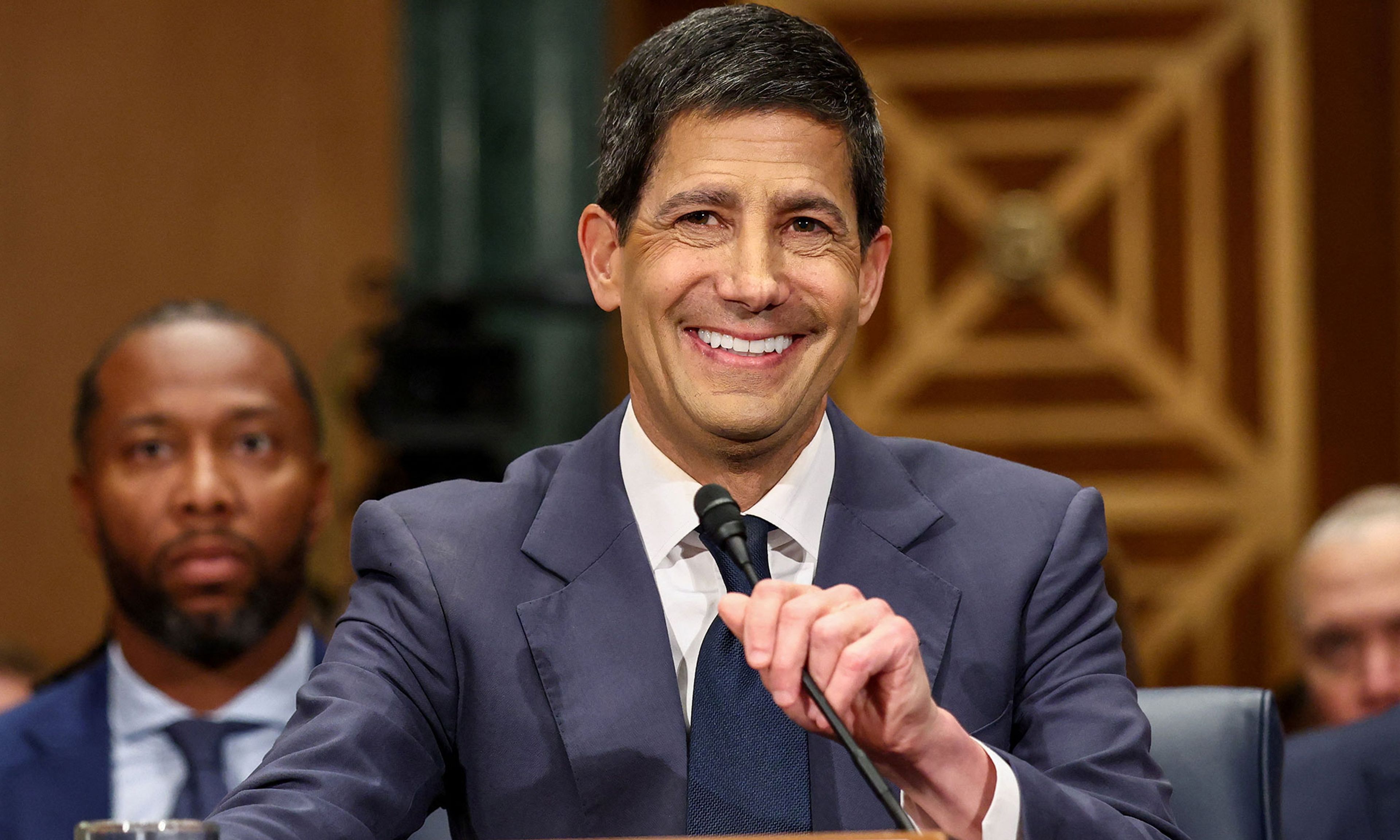
Kevin Warsh sat in the firing line today for his confirmation hearing for chairman of the Federal Reserve. There were no surprises — Warsh is a smart man, and he performed ably.
We already knew how this confirmation fight will go: If the Department of Justice drops its criminal probe into current Fed Chairman Jerome Powell, Warsh will sail through committee, win a party-line vote on the Senate floor, and be leading the central bank by mid-May. If the probe continues, as President Trump says it will, the retiring Senator Thom Tillis (R., N.C.) will block Warsh's committee vote. Tillis could always cave, but neither he nor Trump has yet shown signs of backing down.
Warsh, for his part, said everything he needed to say to allay other Republicans' concerns. He repeatedly swore during his hearing that he would uphold the Federal Reserve's independence and keep monetary policy separate from politics. (This independence has always been more of a stated principle than a strictly obeyed one.)
Then there was the matter of rate cuts that President Trump has demanded of Powell. Warsh acknowledged that Trump has "not made his opinion" on interest rates "a secret to anybody," but noted that all presidents in modern history have done so, and their preferences "all tend to be in the same direction." True enough, but Trump has been especially, er, vociferous in his advocacy.
When asked directly, Warsh testified that Trump never asked him to cut rates and did not make it a condition for his getting the job. But a quid pro quo might have been implicit. Warsh made his name in policy circles by bashing the Fed for keeping rates too low for too long, contending that easy money distorted markets after 2008 and sparked inflation after 2020. He has only now changed his tune and is arguing that AI's productivity potential could allow central bankers to bring down rates without reigniting inflation. Maybe Warsh truly believes that — or maybe he knew he wouldn't have gotten the Fed job if he didn't claim to believe it.
Besides rate cuts, everything else Warsh calls for is good news and consistent with his past positions. He says the Federal Reserve has long "wandered outside of its remit" of stable currency (yes) and is slow to react to new developments like inflation (certainly). Warsh wants to shrink the Fed's colossal balance sheet, putting more trust in financial markets to sort themselves out. In the era of ample bank reserves, he may be able to do so while keeping rates steady with other tools: the dual price controls of the discount lending rate and interest paid on reserves.
Independence concerns would apply to any Trump nominee. No interest-rate hawk would be nominated in the first place. Given these limitations, Warsh was the best available choice. Trump, if he can, should put his ego aside and drop the investigation into Powell so that Warsh can be confirmed quickly.
Addendum: Though Senator Tillis should be commended for his stand, he did say something spectacularly ridiculous during his discussion of the Powell probe today:
The problem that I have here is that we had some U.S. attorney with a dream, or some assistant U.S. attorney, thinking it would be cute to bring Chair Powell under an investigation just a few months before the position was going to be open. . . . It sounds like, to me, somebody over in the DOJ didn't even check with the boss. . . . We have got to end this investigation. Big DOJ didn’t know about it; the president didn’t know about it. Let’s get rid of this investigation so I can support your confirmation.
Yeah, right. Trump, who publicly insists on investigating Powell for criminal wrongdoing had no real intention of doing so and is, in fact, oblivious to the whole thing. The president can never fail, don't you know; he can only be failed.
About the Author
John R. Puri is the Thomas L. Rhodes Fellow at National Review.
Featured Tags
Advertisement
Advertisement
Comments