Governors Still Matter
Written by Madison Ray
State leadership has a direct impact on the lives of Americans.
Share this story
While voters in all 50 states will make electoral decisions about who they want to represent them in Congress come November, voters in 36 states will also cast votes for their governors — who have more sway over their day-to-day lives.
The Trump administration has prioritized cutting red tape and costs in an effort to tackle an ever-growing federal government and national debt. This means a decreasing flow of funds to states, which have steadily increased their dependency on federal funds — to the point where the average state receives 37 percent of its revenue from federal sources — and are now facing serious budget challenges.
Some of the biggest changes stem from the One Big Beautiful Bill Act. Among them are overdue entitlement reforms, namely to the Supplemental Nutrition Assistance Program (SNAP) and Medicaid. However, these reforms carry a high cost that states need to adapt to before they become swamped.
The SNAP changes, for example, are shifting significant costs back to the states beginning in 2027. All states will be required to shoulder an increased amount of the program’s administrative costs. States will also be required to cover a portion of direct benefits if they post error rates (under- or overpayments) at 6 percent or higher this year. The data are astonishing. Forty-two states cross that error threshold, according to 2024 data, and the potential costs if they don’t get their houses in order are high. North Carolina, for example, could owe $433 million. Florida could owe $963 million.
Because D.C. is in a constant state of flux, state leadership matters now more than ever. We need governors who understand this new fiscal reality — and can muster the coalitions necessary to achieve greater independence from the federal government. The choices that voters in 36 states make in November will likely have a greater impact on the well-being of their families and communities than any vote for U.S. representative or senator.
Virginia offers a real-time example of how new governors may navigate this moment. The Old Dominion has an 11.5 percent SNAP error rate and, if the trend continues, is slated to owe an additional $258 million in SNAP penalties beginning in fiscal year 2028, atop an estimated $124 million increase in administrative costs.
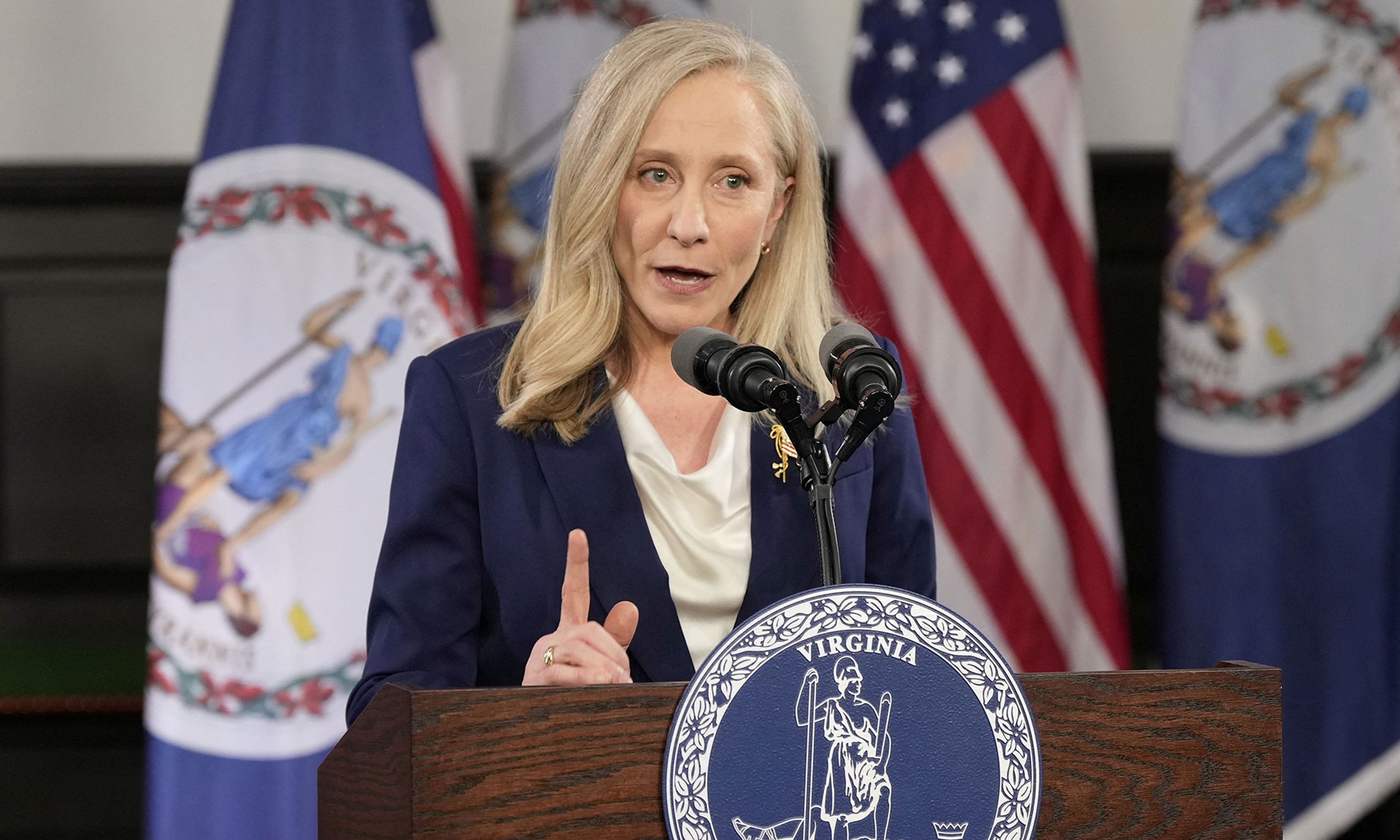
Despite this encroaching fiscal nightmare, Governor Abigail Spanberger and her legislative allies are moving quickly to restore DEI practices, override the bipartisan redistricting commission that voters approved in 2020, and eliminate minimum sentencing for violent criminals. None of these new priorities address the urgent fiscal crisis at hand, and Virginia citizens will pay the price.
To her credit, there are hints of pragmatism in Spanberger’s agenda. She is wise to launch a new task force to examine Virginia’s relationship with federal funds. This executive action, however, blames the federal government for causing “harm” rather than acknowledging the state government’s opportunity to reduce its dependence on federal dollars and build a more self-sufficient state. If the task force results only in finger-pointing with no real results, it will be a lost opportunity.
Virginia and other states in similar situations should look to places like Utah for an example of how to navigate this fiscal crisis with confidence and a self-reliance mindset. Utah’s contingency-fund-planning policy — passed more than a decade ago — requires that the state have a contingency plan in place in the event there is a decrease in federal dollars paid into the state. This, coupled with a clear record of the federal funds that Utah receives, ensures the state’s elected officials are well equipped to account how many federal dollars flow into the state and how to make up for them if funding decreases. More recently, the Utah House and Senate unanimously passed legislation requiring state agencies to report what federal guidance they receive to the legislature, along with a cost estimate of implementation. Federal guidance — unlike law — consists of recommendations and directives from federal agencies that become hidden cost drivers in state budgets.
While the headlines will be dominated by congressional races this year, voters who will choose their governors in November face a critical question that will shape their daily lives: Who will lead their states through this new fiscal environment? Voters should prioritize gubernatorial candidates with concrete plans to reduce SNAP error rates and manage federal funding changes. And if they want to be less subject to the whipsaw effect of political changes in D.C., they should elect governors who have plans for maintaining the independence of their schools, police forces, hospitals, and other close-to-home institutions from federal interference. No matter where they are on the political spectrum, every state leader ought to be in favor of that.
Fiscal and dependency challenges are coming regardless of who wins in November — the only question is whether voters will choose governors who are prepared to meet them head-on.
About the Author
Madison Ray is the senior director of the Center for Practical Federalism at State Policy Network.
Featured Tags
Advertisement
Advertisement
Comments